Musty odor that will not go away
We trace the odor with a thermal imaging camera and boroscope inspection camera, find the growth, and remove it. Fogging treatment eliminates residual odors after removal.
Toxic Mold Removal in SYLMAR, California means finding the moisture source, sealing off the contaminated area, and physically removing mold growth instead of painting over it. If you smell that musty odor in your Sylmar home or see dark staining on drywall, we handle black mold remediation in SYLMAR California with HEPA filtration, containment barriers, and post-remediation testing so you know the job is actually finished.
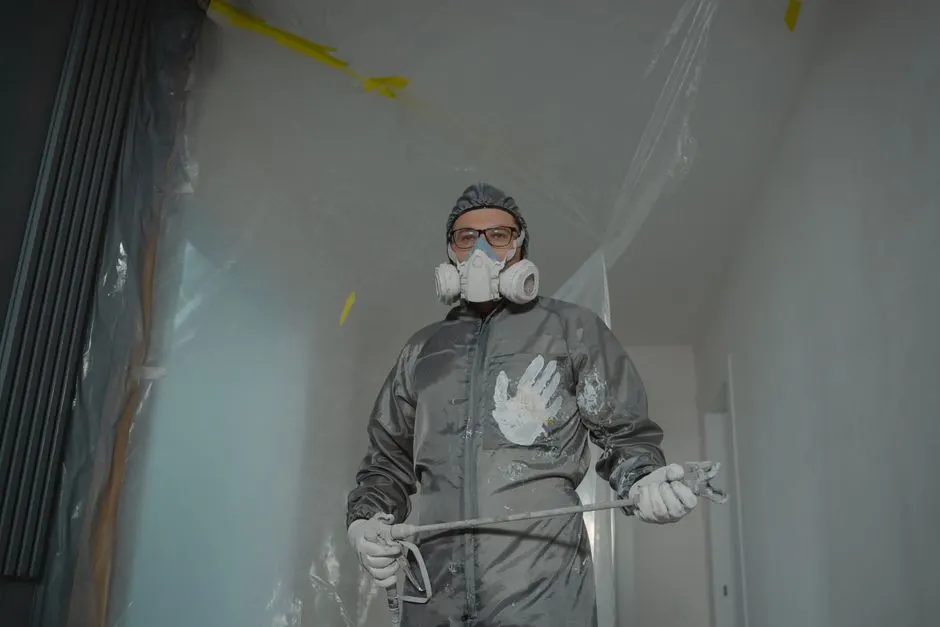
Toxic Mold Removal in SYLMAR, California is the process of containing, removing, and verifying mold contamination that produces mycotoxins, most often Stachybotrys chartarum growing on wet drywall, insulation, or framing. It is not a spray-and-wipe job. We set up containment plastic sheeting, run air scrubbers with HEPA filters, and remove contaminated materials rather than trying to kill mold on porous surfaces. Every project starts with moisture mapping using a moisture meter and thermal imaging camera so we know exactly where the water is coming from.
Sylmar homes deal with two mold drivers: summer heat pushing indoor humidity up, and winter rain finding its way through aging roofs and window flashing. Add the 1994 Northridge earthquake repairs still showing up in older housing stock near Hubbard Street and El Dorado Avenue, and you get plenty of hidden leaks feeding black mold growth inside walls. If you need emergency toxic mold cleanup SYLMAR California, we can be on-site the same day to stop the spread before it reaches your HVAC system.
Every Toxic Mold Removal in SYLMAR job includes the core steps needed to remove contamination and verify the result. Additional work like duct cleaning, structural repairs, or moisture source repair is quoted separately once we know what is involved.
We use a moisture meter, thermal imaging camera, and boroscope inspection camera to find hidden growth and trace the water source. You get a written scope with photos before work begins.
Containment plastic sheeting and air scrubbers with HEPA filters create negative air pressure in the work zone. HVAC vents get sealed so spores cannot travel through the system during removal.
Contaminated drywall, insulation, and other porous materials are removed, bagged, and hauled out. Structural surfaces get HEPA vacuumed and treated with antimicrobial solution.
We apply EPA-registered antimicrobial solutions and use a fogging machine to reach wall cavities and tight spaces. Encapsulant coatings go on structural surfaces where appropriate to seal residual spores.
A spore trap sampler collects air samples for independent lab analysis. Results come back in 24 to 48 hours, and you receive a written clearance report you can use for insurance or real estate purposes.
A certified mold inspector walks the property with a moisture meter, thermal imaging camera, and boroscope inspection camera to find hidden growth behind walls and under flooring. This takes 45 to 90 minutes for a typical Sylmar home. You get a written scope with photos before any work begins.
We build a sealed work zone with containment plastic sheeting and run air scrubbers with HEPA filters to create negative air pressure. HVAC vents inside the zone get sealed so spores cannot travel through the system. Setup usually takes two to three hours depending on the size of the affected area.
Contaminated drywall, insulation, and framing get removed, bagged, and hauled out through the containment. We use HEPA vacuum and dry ice blasting machine equipment to strip mold from structural surfaces without damaging the wood. This is the stage where stachybotrys removal SYLMAR CA actually happens.
Structural surfaces get treated with antimicrobial solution and encapsulant coatings where appropriate. A fogging machine reaches into wall cavities and tight spaces that hand-wiping cannot. We follow EPA mold remediation guidelines on every product we apply, and we document what was used and where.
Once the work zone is clean, we run a spore trap sampler to compare indoor air against an outdoor baseline. Results come back in 24 to 48 hours from an independent lab. If levels are within normal range, we remove containment and walk you through the final report.
Purpose-built equipment, used by trained technicians — so the job is done accurately the first time.
Pin and pinless meters measure moisture content in drywall, wood, and flooring to find hidden water sources feeding mold growth.
Infrared imaging reveals temperature differences behind walls that indicate moisture intrusion or hidden mold growth without opening the wall.
A small camera on a flexible probe lets us see inside wall cavities and ductwork to confirm mold growth and assess the extent of contamination.
We run air scrubbers continuously during removal to capture airborne spores and maintain negative air pressure inside the containment zone.
Dry ice blasting strips mold from wood framing and structural surfaces without abrasion or added moisture, leaving the material intact.
Fogging reaches wall cavities, ceiling voids, and tight spaces where hand-wiping cannot, applying antimicrobial treatment to residual spores.
We use spore trap samplers to collect air samples before and after remediation for independent lab analysis and clearance verification.
A homeowner near Sylmar Terrace noticed dark staining on the bathroom ceiling after winter rains. The roof leak had been active for weeks, and the drywall was saturated with Stachybotrys growth on the back side. Spore counts indoors were four times the outdoor baseline.
We contained the bathroom, removed the affected drywall and insulation, treated the framing, and ran clearance testing. Spore counts returned to normal within 48 hours. The homeowner had the roof repaired the following week.
A duplex near Hubbard Street had a slow plumbing leak under the kitchen that went undetected for months. The crawl space was damp, and floor joists were covered in black mold growth. The tenant had been complaining about a musty smell for weeks.
We removed the contaminated insulation, HEPA vacuumed and treated the joists, and ran post-remediation testing. The clearance report showed normal spore levels. The landlord repaired the plumbing and added a new vapor barrier.
A pipe burst in a home near El Dorado Avenue while the owners were away for a weekend. Water sat for two days before they returned. Drywall, baseboards, and carpet were contaminated with mold growth, and the musty odor was strong throughout the first floor.
We extracted standing water, set up containment and air scrubbers, removed contaminated materials, and treated the framing. Drying equipment ran for three days. Clearance testing confirmed normal air quality, and the homeowners filed a successful insurance claim.
Mold problems in Sylmar usually trace back to one of a few causes: roof leaks, plumbing failures, high indoor humidity, or poor ventilation. Here is what we see most often and how we fix it.
Ask a pro →We trace the odor with a thermal imaging camera and boroscope inspection camera, find the growth, and remove it. Fogging treatment eliminates residual odors after removal.
We confirm the species with lab testing, set up containment, and remove the affected drywall and insulation. Structural framing gets treated and verified with clearance testing.
We identify and document the water source before remediation begins. We tell you what repair is needed and coordinate with your plumber, roofer, or HVAC tech so the fix happens first.
We handle crawl space mold removal and attic mold testing and removal with containment, HEPA vacuuming, and treatment of structural surfaces. We also recommend drainage or ventilation improvements to prevent recurrence.
Most residential jobs in Sylmar run $1,500 to $6,500 in 2026, depending on square footage affected and how much material has to be removed. A single bathroom or small attic area typically lands at the low end. Whole-room or multi-room remediation with duct cleaning pushes toward the higher end. Testing, containment, and clearance are included in our written quote.
The three most common signs are a musty odor that will not go away, visible dark staining on drywall or ceiling tiles, and allergy-type symptoms that improve when you leave the house. A moisture meter and spore trap sampler confirm what is actually growing. We can test and give you lab results in 24 to 48 hours.
Yes, when containment and HEPA filtration are done correctly. We seal the work zone with negative air pressure, so spores do not migrate into living spaces. Family members and pets stay out of the containment area during removal, and we tell you exactly when it is safe to return. We follow California Department of Public Health mold guidelines on occupant protection.
Stachybotrys removal includes moisture mapping, containment setup, physical removal of contaminated materials, HEPA vacuuming, antimicrobial treatment, and clearance testing. We also identify and document the water source so you can get it repaired. You receive a written scope, photo documentation, and a third-party lab report at the end.
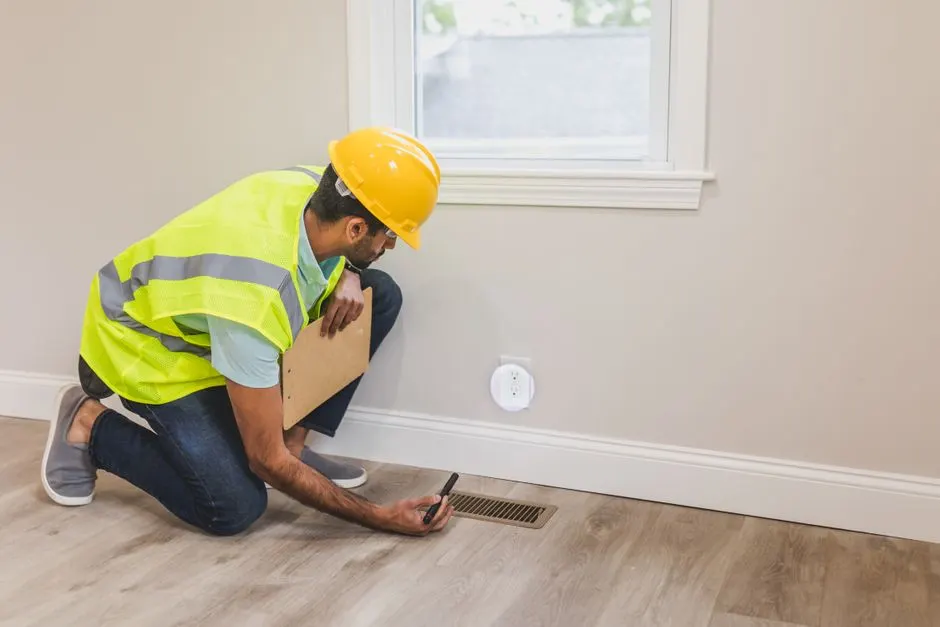 Mold Inspection Near MeA full inspection is the first step before any Toxic Mold Removal in SYLMAR. We map moisture, check wall cavities with a boroscope inspection camera, and document every affected area so the remediation scope is accurate.Explore →
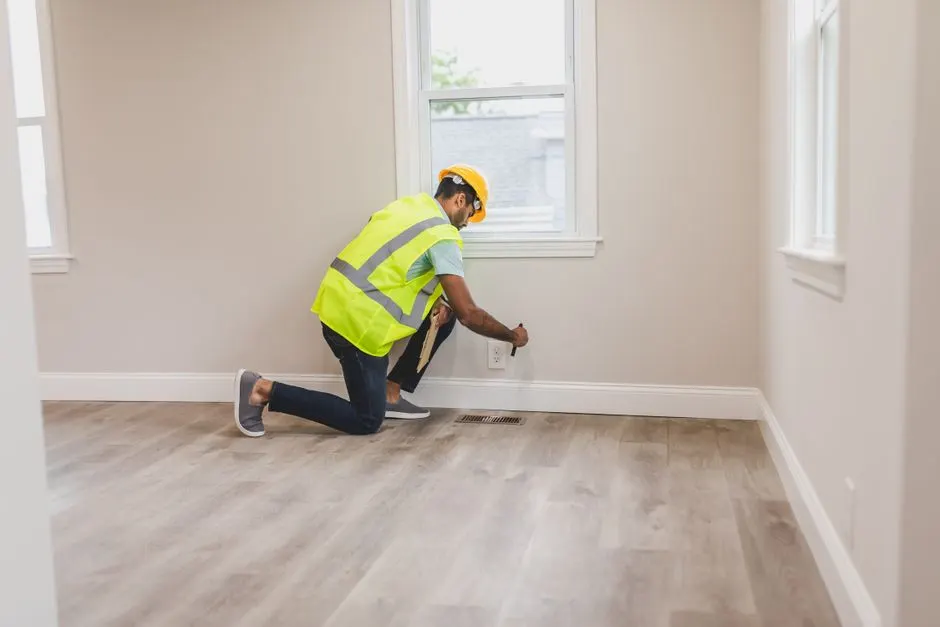 Mold InspectionOur standard mold inspection covers visible growth, hidden moisture, and air quality baseline readings. It is the assessment that tells you whether you need full remediation or a targeted cleanup in your Sylmar property.Explore →
 Mold TestingLab-based mold testing identifies the species present, including Stachybotrys and other toxigenic molds. Results guide the remediation plan and give you a baseline to compare against after Toxic Mold Removal is complete.Explore →
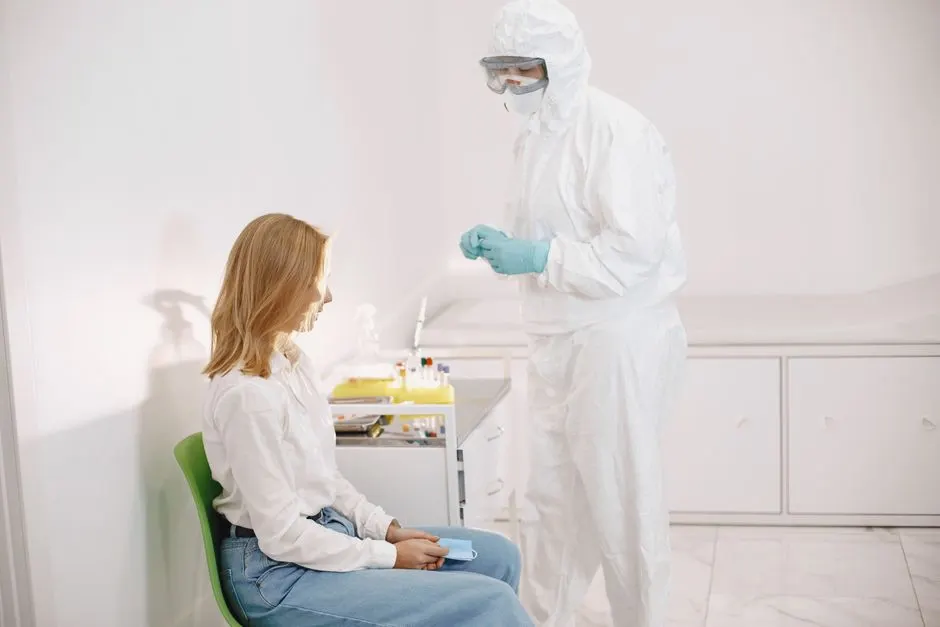 Mold Testing Near MeIf you need mold testing in Sylmar, we can usually schedule same-day or next-day. Samples go to an independent lab, and you get written results with species identification and spore counts within 24 to 48 hours.Explore →
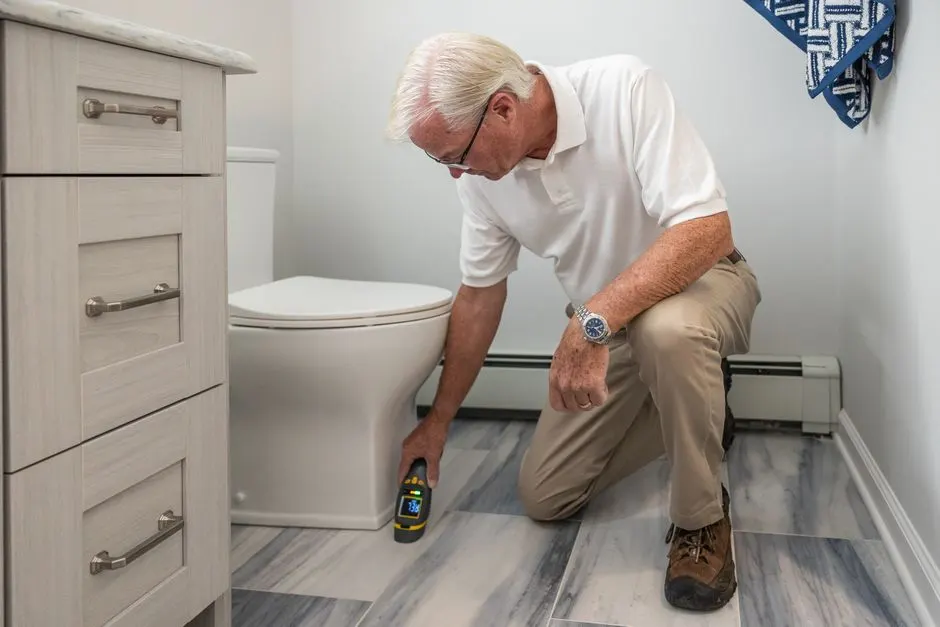 Certified Mold InspectorOur ACAC-certified mold inspector handles assessments, scope writing, and clearance verification. Having the same credentialed inspector on both ends of the job keeps the documentation consistent for insurance and real estate purposes.Explore →
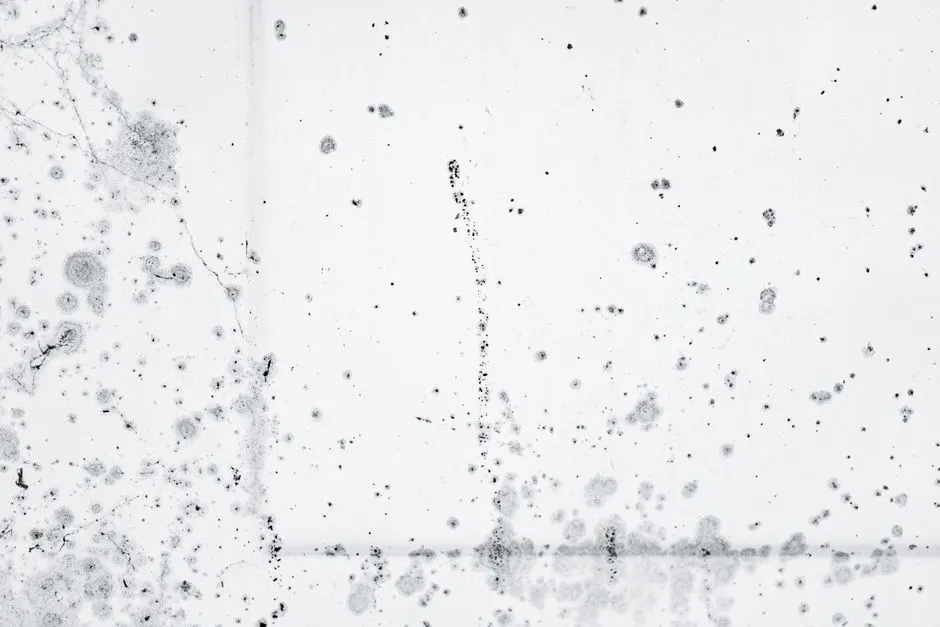 Black Mold InspectionBlack mold inspection focuses on the dark, toxigenic species that worry homeowners most. We confirm whether the growth is actually Stachybotrys or a less concerning mold, then recommend the right level of remediation.Explore →
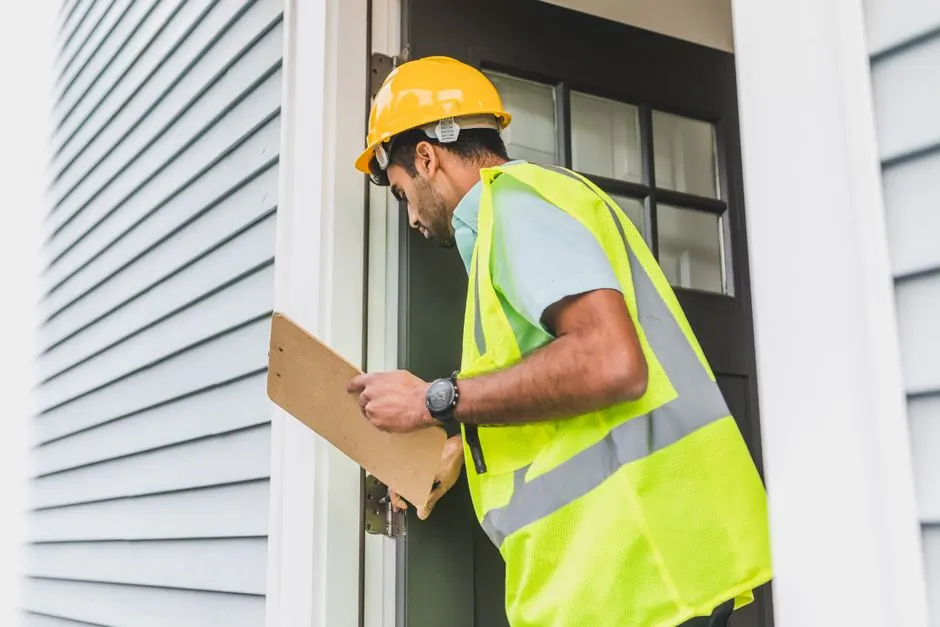 Home Mold InspectionA home mold inspection covers attics, crawl spaces, bathrooms, kitchens, and HVAC closets. We check the areas where Sylmar homes most often develop hidden growth after roof leaks or plumbing failures.Explore →
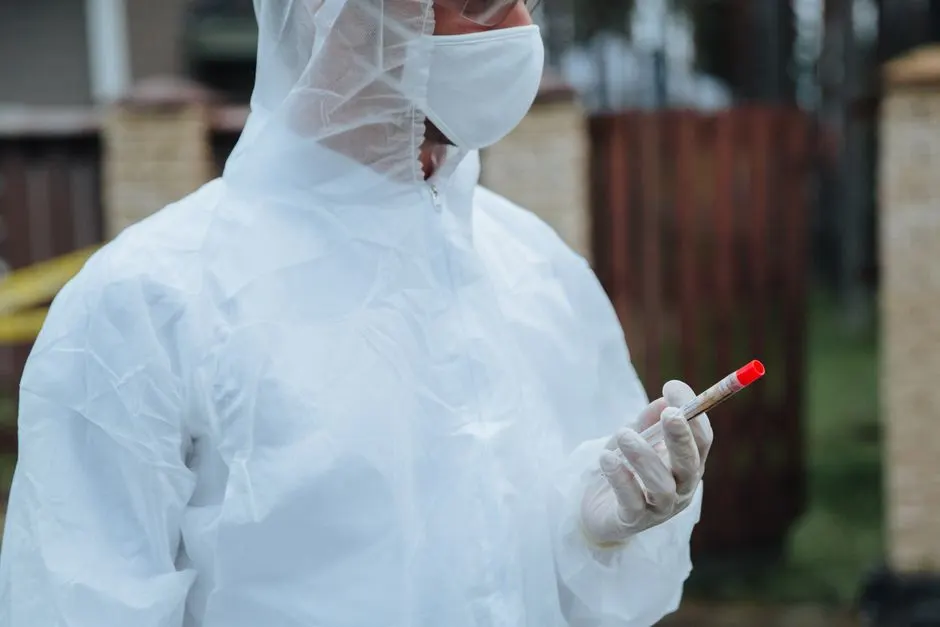 Residential Mold TestingResidential mold testing gives homeowners clear lab data on indoor air quality. We compare indoor spore counts against an outdoor baseline to determine whether remediation is needed or conditions are normal.Explore →
If you smell musty air or see dark staining on your walls, do not wait for it to spread. We are licensed, insured, and available 24/7 for emergency calls. Call (833) 929-5837 and we will schedule an inspection, give you a written scope, and start containment the same day when needed.
Call Now (833) 929-5837 →Call (833) 929-5837 or send us a message and we will get back to you the same day. Our phones are answered 24 hours for emergencies, and regular inspections are scheduled Monday through Friday. Tell us what you are seeing or smelling, and we will tell you what the next step is.