Musty odor with no visible mold
We use thermal imaging and moisture meters to locate the source, then take air samples to confirm mold presence. Lab results tell you the species and concentration so you know exactly what you are dealing with.
Residential Mold Testing in SYLMAR, California gives you a straight answer about what is growing in your house and whether it is toxic. We take air and surface samples, send them to an accredited lab, and hand you a written report you can act on. If you have smelled something musty since the last rain, or you have spotted dark staining near a bathroom or attic vent, call us at (833) 929-5837.
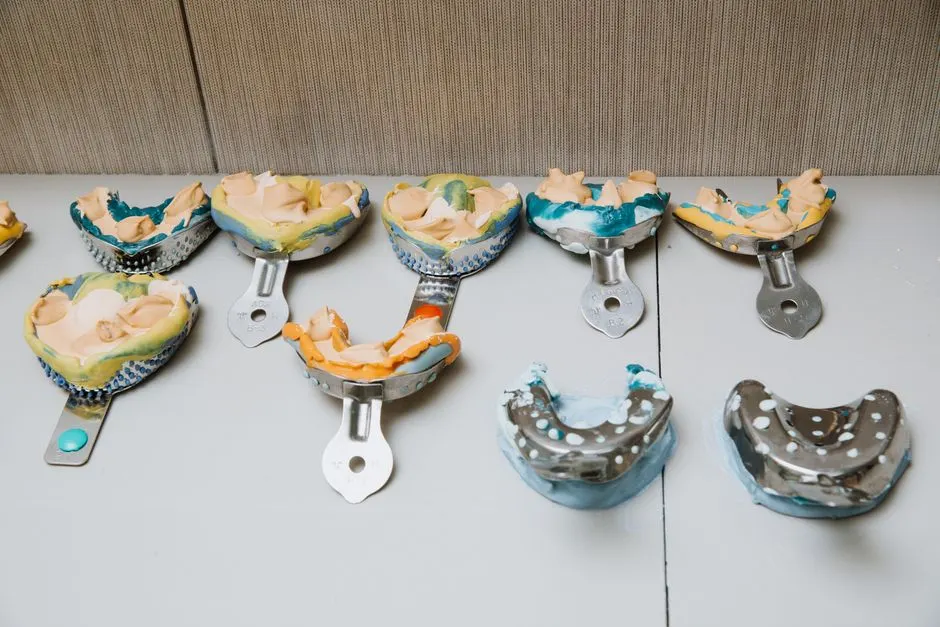
Residential Mold Testing in SYLMAR, California is a diagnostic service that measures mold spores in your indoor air and confirms what is growing on surfaces, so you know whether you have a problem and how big it is. We use a moisture meter and a thermal imaging camera to find hidden damp spots behind drywall, then collect air samples with a spore trap sampler and surface samples with sterile swabs. Everything goes to an accredited lab, and you get a written report with spore counts and species identified.
Sylmar homes deal with a specific set of conditions. The Santa Ana winds dry things out fast, then winter rain pushes water through 1950s and 1960s stucco and flat roofs. Crawl spaces under older ranch homes on Hubbard Street and El Dorado Avenue stay damp for weeks. We regularly find black mold growth behind bathroom tile, in attic sheathing, and along HVAC ducts after a slow leak. If you have been searching for house mold testing SYLMAR, this is the service that gives you a documented answer instead of a guess.
Our standard residential mold testing package covers the full diagnostic process from inspection through lab analysis and report delivery. Here is what you get when you book with us.
A certified inspector walks your entire home, checking every room, the attic, and the crawl space. We look for visible growth, water staining, and conditions that promote mold. This typically takes 45 to 90 minutes depending on home size.
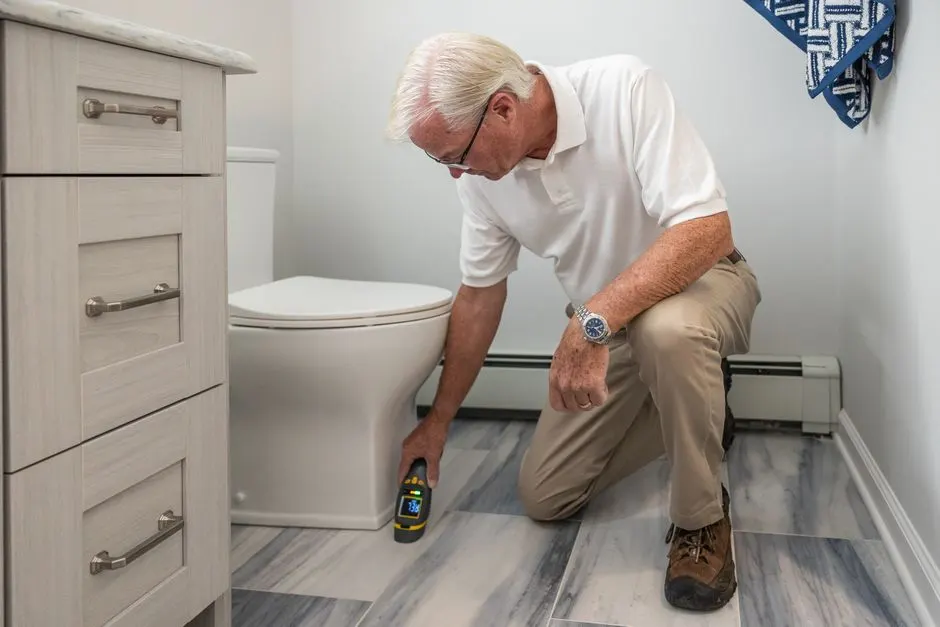
We use a moisture meter and thermal imaging camera to find hidden damp spots behind walls and under floors. These tools detect moisture that is not visible to the naked eye. Finding the source is key to solving the problem.
We collect indoor air samples using a spore trap sampler, plus one outdoor sample as a baseline. The lab compares the two to determine whether your indoor spore levels are elevated. This is the core diagnostic for airborne mold.
If we find visible growth, we take surface samples with sterile swabs. Lab analysis identifies the species, including whether it is toxic mold like Stachybotrys. This tells you exactly what you are dealing with.
You receive a full report with spore types, counts, and the lab's interpretation. The report includes recommendations and works for insurance claims, real estate transactions, and landlord documentation. We walk you through it by phone.
You call (833) 929-5837 and describe what you are seeing or smelling. We ask about recent leaks, water damage, musty odors, and any visible staining. That conversation takes about 10 minutes and lets us bring the right sampling equipment on the first visit.
A certified inspector walks the property with a moisture meter and thermal imaging camera. We check the attic, crawl space, bathrooms, kitchen, and any area you flagged. This typically runs 45 to 90 minutes depending on square footage and how many suspect zones we find.
We set up a spore trap sampler for air samples, usually one indoor and one outdoor control. Surface samples come from visible growth using sterile swabs. Each sample is labeled, sealed, and logged with the chain of custody paperwork the lab requires.
Samples go to an accredited third-party lab. Turnaround is 24 to 48 hours for standard analysis. The lab identifies spore types, counts them, and compares indoor levels against the outdoor baseline to determine whether your home has an abnormal mold load.
We send you the written report and go over it line by line. If remediation is needed, we explain what the scope looks like and what it costs. If your levels are normal, we tell you that too and suggest what to monitor going forward.
Purpose-built equipment, used by trained technicians — so the job is done accurately the first time.
Detects moisture levels in drywall, wood, and other building materials. We use it to find hidden damp spots that promote mold growth.
Reveals temperature differences that indicate moisture behind walls or under floors. This finds problems without cutting into your home.
A small camera on a flexible rod that lets us see inside wall cavities and tight spaces. We confirm what is happening behind the surface.
Collects airborne mold spores onto a slide for lab analysis. This is the standard method for measuring indoor air quality.
Filters airborne particles during remediation. We use HEPA-equipped units to keep spores contained and prevent cross-contamination.
Removes moisture from the air after water damage or during remediation. Dri-Eaz and Phoenix Restoration units are our go-to for fast drying.
Applies antimicrobial solution as a fine mist to treat hard-to-reach surfaces. Used in attics, crawl spaces, and HVAC systems after physical removal.
A homeowner on Glenoaks Boulevard noticed dark staining on the ceiling after winter rains. The attic had visible mold growth on sheathing across roughly 150 square feet. Moisture readings showed active dampness from an unresolved roof leak.
We tested and confirmed Aspergillus and Penicillium species. Remediation included containment, HEPA vacuuming, and antimicrobial treatment. Post-remediation testing showed spore levels back to normal. The roof was repaired, and the attic was re-insulated.
A family in Sylmar Terrace had cleaned mold from their bathroom three times in two years. It kept coming back along the grout and lower drywall. The bathroom had no exhaust fan, and humidity stayed above 60 percent.
Testing confirmed elevated spore counts and identified Cladosporium. We removed affected drywall, treated framing with antimicrobial solution, and installed a new exhaust fan. Follow-up testing showed normal levels. The mold has not returned.
A property manager near the San Fernando Road Corridor called about a musty odor in a rental unit. The crawl space had no vapor barrier, and moisture readings were high. Mold was growing on floor joists across approximately 300 square feet.
Lab testing confirmed mold species and elevated spore counts. We installed a vapor barrier, removed growth from joists, and treated the space with antimicrobial solution. Clearance testing verified the air was clean. The tenant complaint was resolved.
Mold is a symptom of a moisture problem. Here are the situations we see most often in Sylmar and how testing helps resolve them.
Ask a pro →We use thermal imaging and moisture meters to locate the source, then take air samples to confirm mold presence. Lab results tell you the species and concentration so you know exactly what you are dealing with.
Testing identifies the moisture source and the extent of growth. We find what your cleanup missed, whether it is a slow leak, poor ventilation, or high humidity. Then we fix the cause, not just the symptom.
Our lab analysis identifies specific species and spore counts. If toxic mold is present, we explain remediation options and immediate steps to reduce exposure. You get facts, not fear.
We provide written lab reports suitable for real estate disclosures and lender requirements. If remediation is needed, we handle it and provide clearance testing documentation. One company, full paper trail.
Most residential mold testing in Sylmar runs $250 to $600 for a standard home inspection with two to four lab samples. Larger homes or properties with multiple suspect zones can push toward $800. Air samples typically cost $75 to $125 each, and surface samples run $50 to $90. You get the exact quote before we schedule.
Standard turnaround is 24 to 48 hours from when the lab receives your samples. Rush analysis is available for an extra fee if you need results same day or next morning. We email the full report and follow up with a phone call to explain what the spore counts mean for your home.
It includes a full visual inspection with moisture meter and thermal imaging, air sampling with a spore trap sampler, surface sampling of visible growth, and lab analysis identifying spore types and counts. You get a written report comparing indoor levels to an outdoor baseline, plus a walkthrough of findings and recommendations.
Yes. Lab analysis identifies specific species including Stachybotrys, Aspergillus, and Penicillium, which are the ones people worry about. The report tells you exactly what is present and at what concentration. If toxic species show up, we explain what remediation looks like and how to protect your household in the meantime.
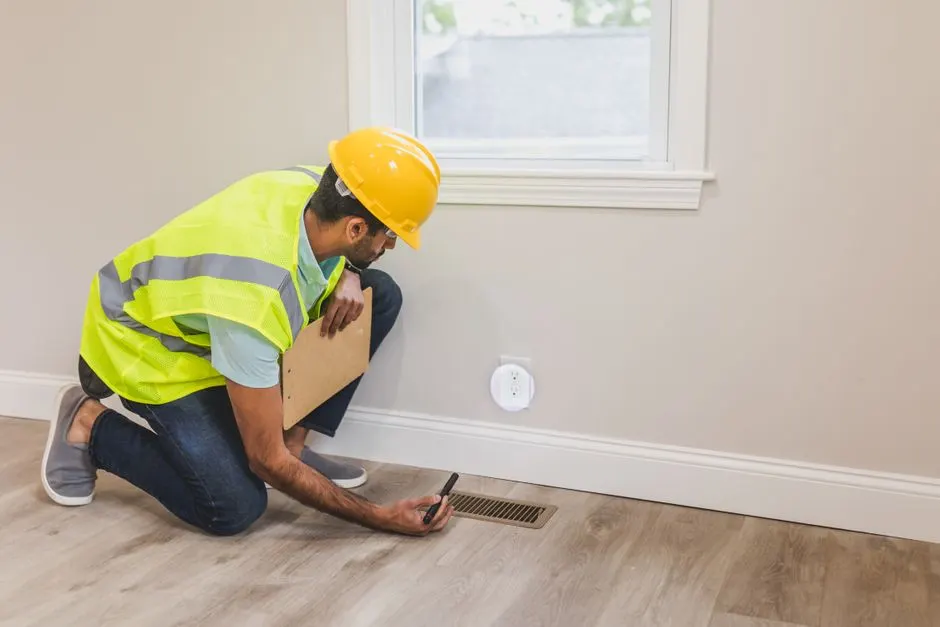 Mold Inspection Near MeA full visual and moisture inspection of your Sylmar property. We check attic, crawl space, bathrooms, and any area with water history. This often pairs with testing when you want both a hands-on assessment and lab confirmation.Explore →
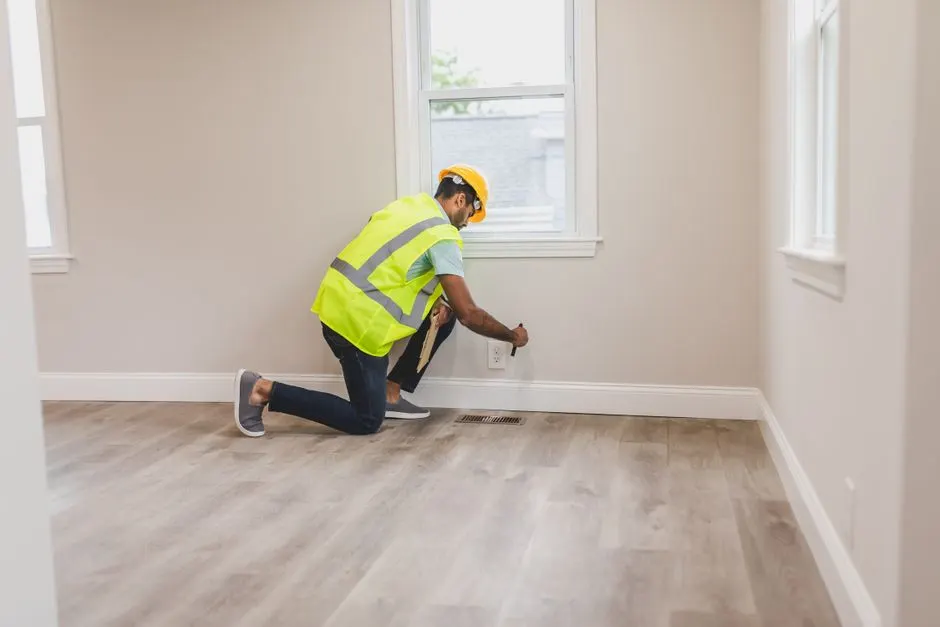 Mold InspectionOur standard inspection covers every room, the attic, and the crawl space. We use moisture meters and thermal cameras to find hidden damp spots. Sylmar homeowners book this when they suspect a problem but have not seen visible growth yet.Explore →
 Mold TestingAir and surface sampling sent to an accredited lab. This is the diagnostic step that tells you what species are present and at what levels. Results come back in 24 to 48 hours with a written report.Explore →
 Mold Testing Near MeIf you are searching for local mold testing in Sylmar, we serve the entire area from San Fernando Road to Lopez Canyon. Same-day and next-day appointments available. Call (833) 929-5837 to schedule.Explore →
 Certified Mold InspectorOur inspectors hold IICRC certification and follow California Department of Public Health guidelines. You get a trained eye on your property, not a general handyman with a flashlight.Explore →
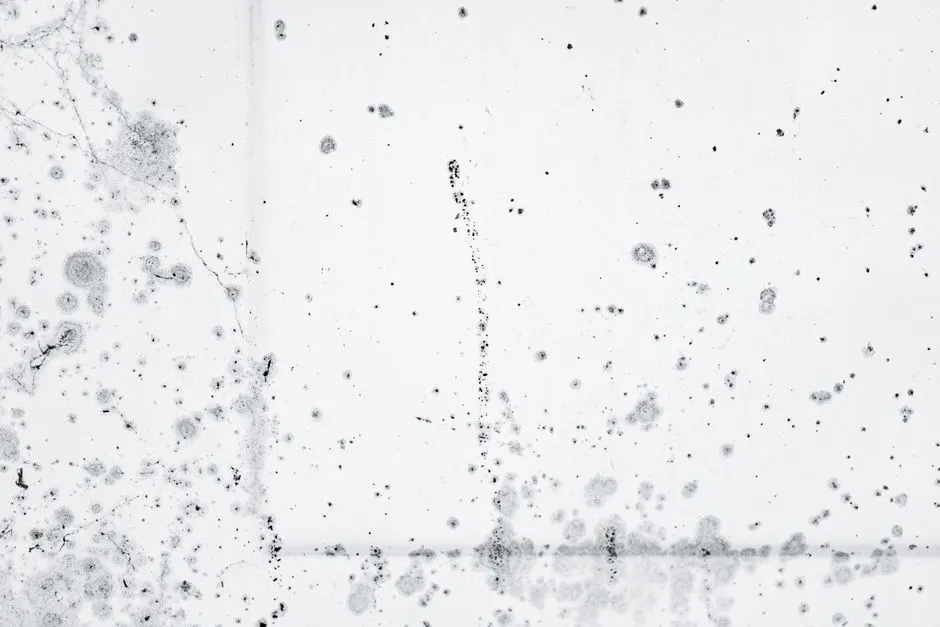 Black Mold InspectionTargeted inspection for suspected black mold growth. We sample visible dark staining and check surrounding areas for hidden spread. Lab analysis confirms whether it is Stachybotrys or a less concerning species.Explore →
 Home Mold InspectionA whole-house inspection designed for homeowners. We cover every level, including attic and crawl space, and document findings with photos. This is the starting point for most residential mold investigations.Explore →
 Commercial Mold InspectionMold inspection for Sylmar businesses, rental properties, and commercial buildings. We work around your operating hours and provide documentation suitable for property managers and insurance claims.Explore →
If you have seen staining, smelled something musty, or had recent water damage, do not wait. Mold spreads fast, and testing gives you the facts. Call (833) 929-5837 to schedule an inspection. Same-day and next-day appointments available.
Book Testing Now (833) 929-5837 →Call (833) 929-5837 or send us a message and we will get back to you the same day. Our phones are answered 24 hours for emergencies, and regular inspections are scheduled Monday through Friday. Tell us what you are seeing or smelling, and we will tell you what the next step is.