Musty odor that will not go away
We use a thermal imaging camera and boroscope inspection camera to locate the source, then sample the air to confirm. You get a photo of the growth and a clear scope for removal.
A Home Mold Inspection in SYLMAR, California is the fastest way to find out whether that musty smell in your hallway is a real problem or just old carpet. We run a full residential mold assessment SYLMAR California homeowners can act on: moisture readings, thermal scans, air samples, and a written report you can hand to your insurance company or a buyer. If mold is hiding behind your drywall, we find it.
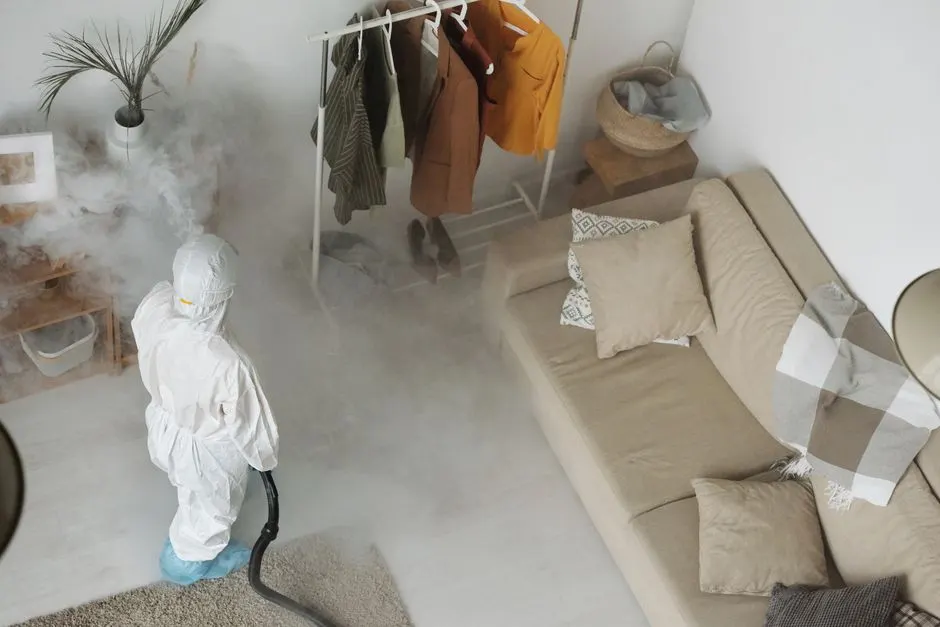
A Home Mold Inspection in SYLMAR, California is a top-to-bottom moisture and air-quality investigation of your house, not a quick visual walkthrough. We start at the roof line and work down through the attic, living spaces, bathrooms, kitchen, laundry, crawl space, and HVAC closets. A moisture meter and thermal imaging camera show us where water is sitting behind drywall or under flooring. We take air samples with a spore trap sampler and surface swabs where we see staining, then send everything to an accredited lab for analysis. You get a written report within 24 to 48 hours.
Most SYLMAR homes we inspect were built between 1948 and 1978, and that building stock has predictable weak points: original galvanized supply lines, flat or low-slope roofs, and slab-on-grade floors that hide slow leaks for months. Add the Santa Ana wind season and the summer heat that pushes indoor humidity past 60 percent in closed-up rooms, and you have ideal conditions for black mold growth. If you have been putting off a house mold inspection SYLMAR homeowners keep recommending to neighbors, the cost of waiting is usually a bigger remediation bill.
Every inspection is scoped to your home, but here is what is standard on a typical SYLMAR single-family job. If you need additional sampling or a larger property covered, we will quote it upfront before we start.
We walk the exterior, attic, living spaces, and crawl space with a moisture meter and thermal imaging camera. Every suspect area gets a reading and a photo so you can see exactly what we saw.
A spore trap sampler collects indoor air in the worst-affected room, plus one outdoor baseline. Surface swabs go on any visible growth. Samples ship to an accredited lab the same day.
You get a report listing mold genus, spore counts per cubic meter, indoor-versus-outdoor comparison, photos, and a recommendation. It is formatted for insurance adjusters and real estate transactions.
We trace the moisture back to its source, whether that is a plumbing leak, roof failure, poor drainage, or high indoor humidity. Fixing the source is the only way to keep mold from returning.
After the report lands, we call you and walk through the findings line by line. You get straight answers about what needs fixing now, what can wait, and what is not actually a problem.
We ask about the smell, the stains, any recent leaks, and whether anyone in the house has been getting headaches or sinus issues. That five-minute conversation tells us which rooms to prioritize and whether you need emergency mold testing services. We give you a flat inspection price on the call and book a two-hour window.
We check the roof, flashing, and foundation drainage first, because that is where most SYLMAR water intrusion starts. Then we go into the attic with a moisture meter and look for stained sheathing, blocked vents, and condensation on the underside of the roof deck. Attic mold is common here and easy to miss from the ground.
Inside, we run a thermal imaging camera across walls, ceilings, and floors to spot temperature differences that signal trapped moisture. A moisture meter confirms the reading. We check every bathroom, the laundry area, under sinks, around the water heater, and the HVAC closet, since HVAC mold contamination spreads through the whole house once it starts.
We set a spore trap sampler in the worst-affected room and one outdoors for a baseline, then take surface swabs from visible growth. Samples go to an accredited lab the same day. This is the step that turns a guess into a documented finding you can act on.
Your written report arrives within 24 to 48 hours with lab results, photos, moisture readings, and a clear recommendation: no action, monitor, or remediate. We walk you through it by phone and answer questions. If remediation is needed, we quote it separately so you can compare.
Purpose-built equipment, used by trained technicians — so the job is done accurately the first time.
Detects temperature differences behind walls and under floors that signal trapped moisture, even when nothing is visible on the surface.
Confirms the thermal camera's findings with a direct reading. We use pin and pinless meters depending on the surface.
Lets us look inside wall cavities, under cabinets, and behind baseboards without cutting open finished surfaces.
Collects airborne mold spores onto a slide for lab analysis. We run one indoor sample and one outdoor baseline per job.
Captures fine mold spores and debris during remediation. We use ProTeam and Abatement Technologies units with HEPA filters rated for mold work.
Runs negative air pressure inside containment so spores cannot escape into the rest of the house during removal.
Applies antimicrobial solution into hard-to-reach spaces after physical removal. We use Concrobium and Benefect products.
A homeowner noticed a musty smell in the hallway but no visible staining. A thermal imaging camera found a 4-foot moisture plume behind the drywall from a pinhole leak in a copper supply line. Air sampling showed elevated Penicillium/Aspergillus spores indoors.
We opened a 3-foot section of drywall, repaired the leak, removed the contaminated drywall and insulation, and treated the framing with antimicrobial solution. Post-remediation testing came back at outdoor baseline levels.
Brown water stains appeared on the bathroom ceiling after a winter storm. Inspection found roof flashing failure and active mold growth on the roof sheathing above the bathroom, covering roughly 30 square feet. Insulation in that area was contaminated.
We repaired the flashing, removed the contaminated insulation, HEPA-vacuumed the sheathing, and treated with an encapsulant coating. Clearance testing passed on the first sample. Total job time was two days.
A home near the wash had a persistent musty odor in the living room. Inspection found standing water in the crawl space after recent rain and mold growth on the floor joists covering about 40 percent of the space. Relative humidity in the crawl space was 78 percent.
We pumped out the standing water, installed a containment barrier, removed surface growth with HEPA vacuuming and dry ice blasting, and treated with antimicrobial solution. We also installed a vapor barrier and a crawl space dehumidifier.
Most calls we get start with one of these four problems. If any of them sound familiar, an inspection is the fastest way to get a straight answer.
Ask a pro →We use a thermal imaging camera and boroscope inspection camera to locate the source, then sample the air to confirm. You get a photo of the growth and a clear scope for removal.
We sample the growth to identify the genus, map how far the moisture has spread, and recommend remediation with containment, HEPA vacuuming, and antimicrobial solution treatment.
We inspect the affected area and surrounding cavities, sample the air, and tell you whether drying is enough or whether remediation is needed. We handle both.
We run a full inspection with lab sampling and deliver a report formatted for escrow. Most buyers and sellers get results within 48 hours so the transaction stays on schedule.
Most single-family homes in SYLMAR run $295 to $650 for a full inspection with two to four lab samples. Larger homes, crawl spaces, and extra sampling push the number higher. The inspection fee is flat and quoted before we arrive, and the written report is included. If remediation is needed, we quote that separately so you can compare bids.
A residential mold assessment SYLMAR California includes a full exterior and interior moisture survey, thermal imaging, moisture meter readings, attic and crawl space inspection, air sampling with a spore trap sampler, surface swabs of visible growth, and a written lab report with photos and recommendations. We also identify the water source so you can fix it before remediation starts.
Every two years is a good baseline for most SYLMAR homes, and every year if you have had a prior leak, live near the Pacoima Wash Area, or have a crawl space. Book one immediately after any water damage from leaks, a roof failure, or flooding. If you smell musty odors or see staining, do not wait for the calendar.
Yes. Hidden mold behind drywall, under flooring, and inside wall cavities is exactly what a thermal imaging camera and boroscope inspection camera are for. We combine temperature differentials with moisture meter readings and air sampling to confirm growth we cannot see. Roughly 40 percent of the mold we find in SYLMAR homes is behind a finished surface.
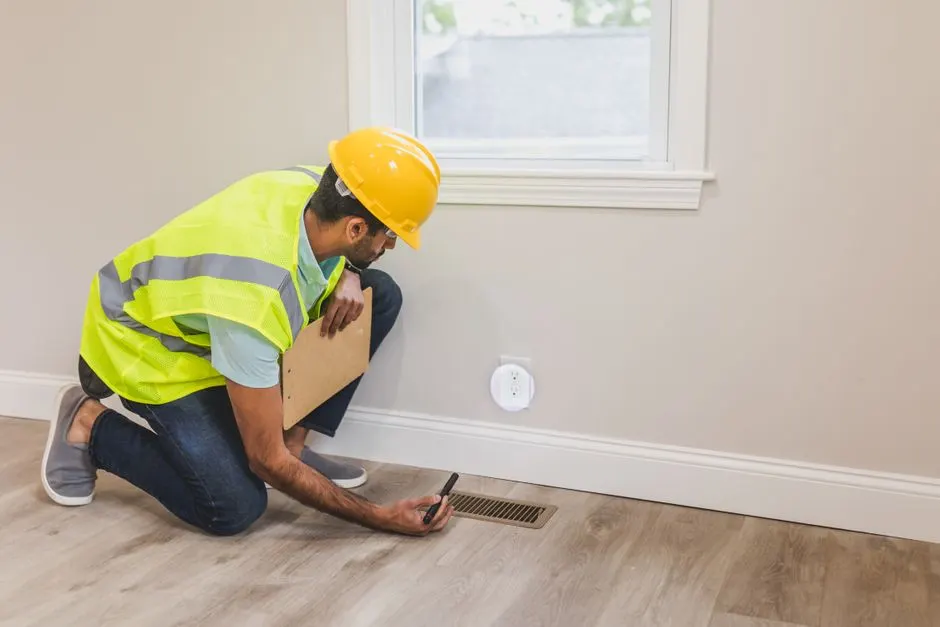 Mold Inspection Near MeIf you searched for mold inspection near me in SYLMAR, this is the same service under a different name. We cover the whole San Fernando Valley and can usually be on site the same day you call.Explore →
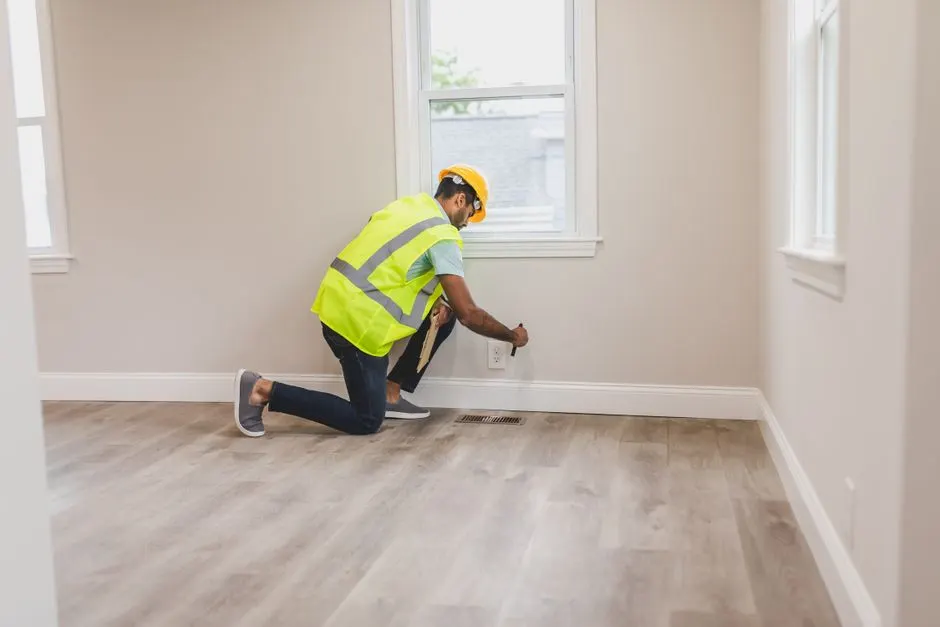 Mold InspectionOur core mold inspection service covers visual assessment, moisture mapping, and lab sampling for any SYLMAR property. It is the first step before any remediation work and the report you need for insurance or escrow.Explore →
 Mold TestingMold testing focuses on the lab side: air samples, surface swabs, and spore counts. We pair testing with a full inspection so you get both the location and the identification in one visit.Explore →
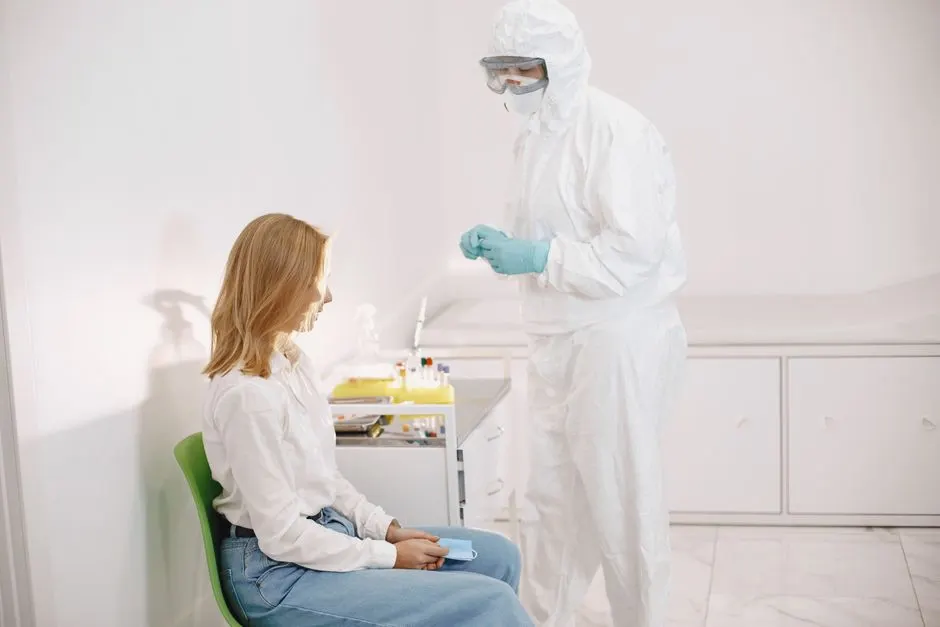 Mold Testing Near MeSearching for mold testing near me in SYLMAR brings you to a local crew, not a call center. We handle sample collection, lab submission, and report delivery without subcontracting any of it.Explore →
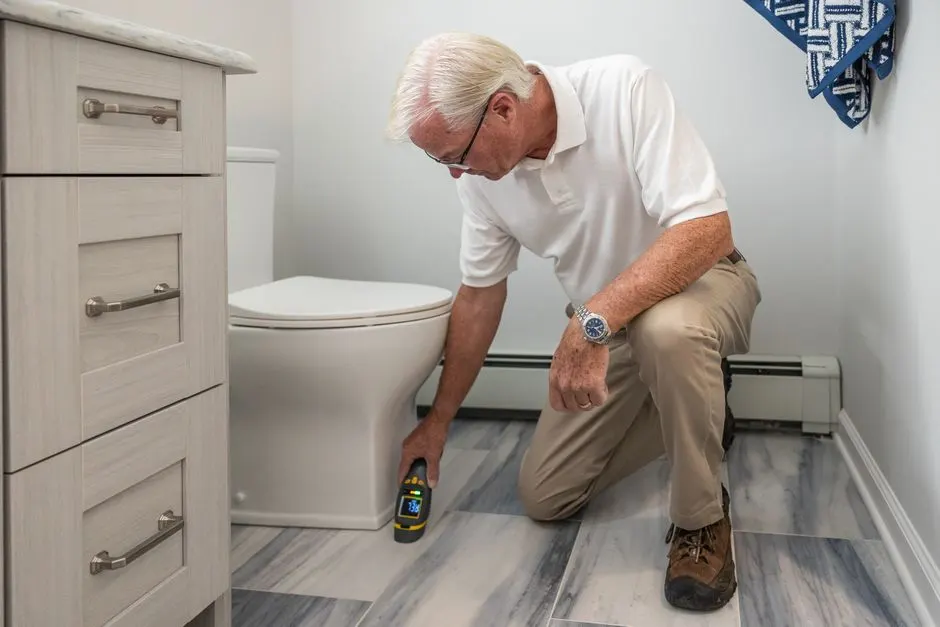 Certified Mold InspectorOur certified mold inspector holds IICRC certification and follows EPA and California Department of Public Health guidelines. You get a credentialed assessment, not a handyman with a flashlight.Explore →
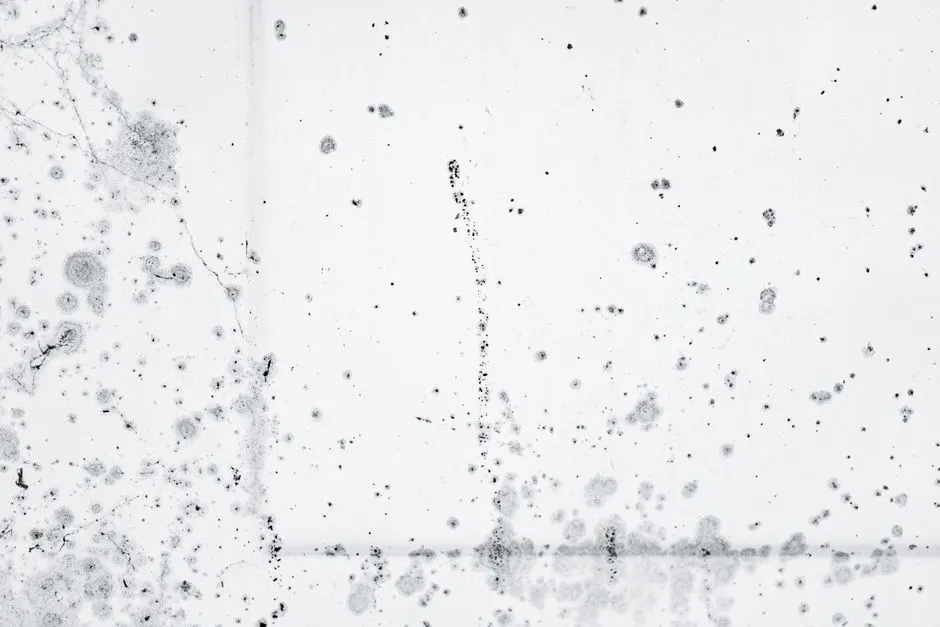 Black Mold InspectionBlack mold growth needs a targeted inspection because it often hides behind drywall and under subfloor. We sample, identify the genus, and tell you whether it is the toxic variety or a less concerning species.Explore →
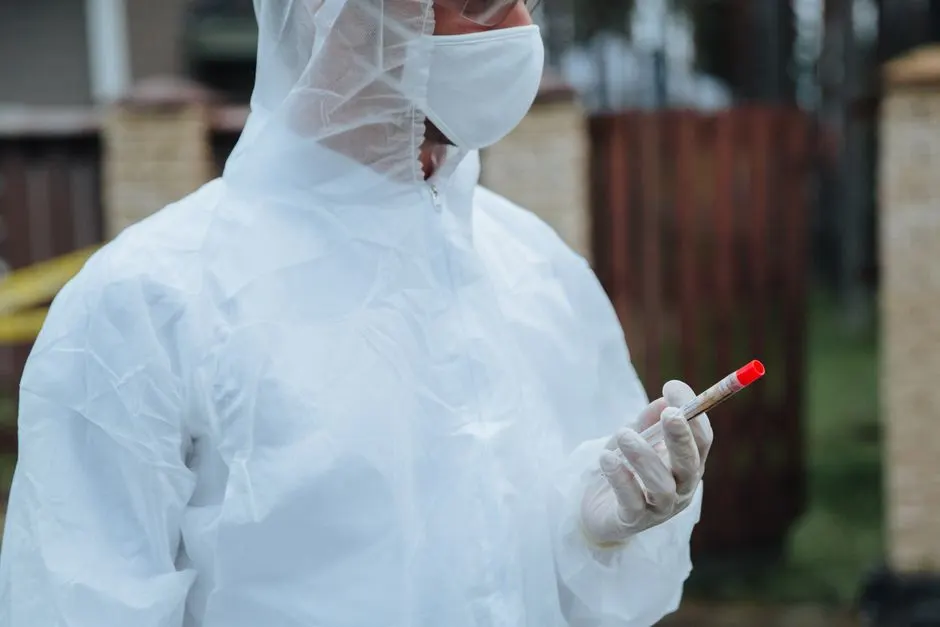 Residential Mold TestingResidential mold testing is built for single-family homes, condos, and townhouses. We tailor the sample count to your square footage and the number of suspect areas we find during the walkthrough.Explore →
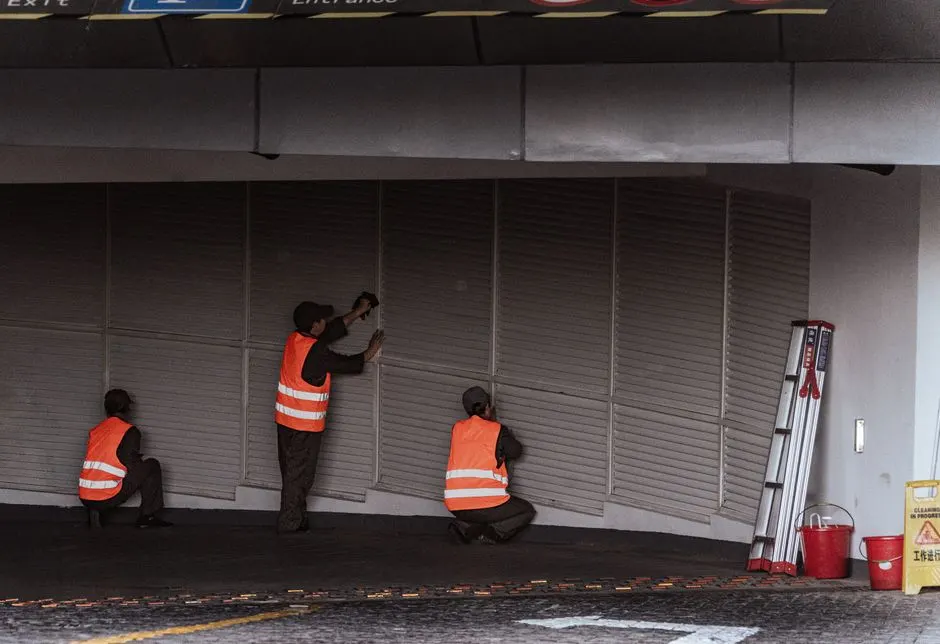 Commercial Mold InspectionCommercial mold inspection covers offices, retail, and multi-unit buildings in SYLMAR. We work after hours when needed so your business does not lose a day of operation.Explore →
Flat inspection pricing, lab results in 24 to 48 hours, and a written report you can use for insurance or escrow. Call (833) 929-5837 and we will get you on the schedule, often the same day.
Book Inspection Now (833) 929-5837 →Call (833) 929-5837 or send us a message and we will get back to you the same day. Our phones are answered 24 hours for emergencies, and regular inspections are scheduled Monday through Friday. Tell us what you are seeing or smelling, and we will tell you what the next step is.