Musty smell that returns after cleaning
We locate the colony with a boroscope inspection camera, remove the contaminated material, and treat the framing. Then we fog the space and verify with air testing so the smell does not return.
Odor Removal Mold in SYLMAR, California is what you call when a room smells damp and earthy no matter how much you clean. We track the odor to its source, remove the mold feeding it, and run musty smell elimination until the air in your home reads clean. Most Sylmar calls come from crawl spaces, bathrooms, and attics after a slow leak.
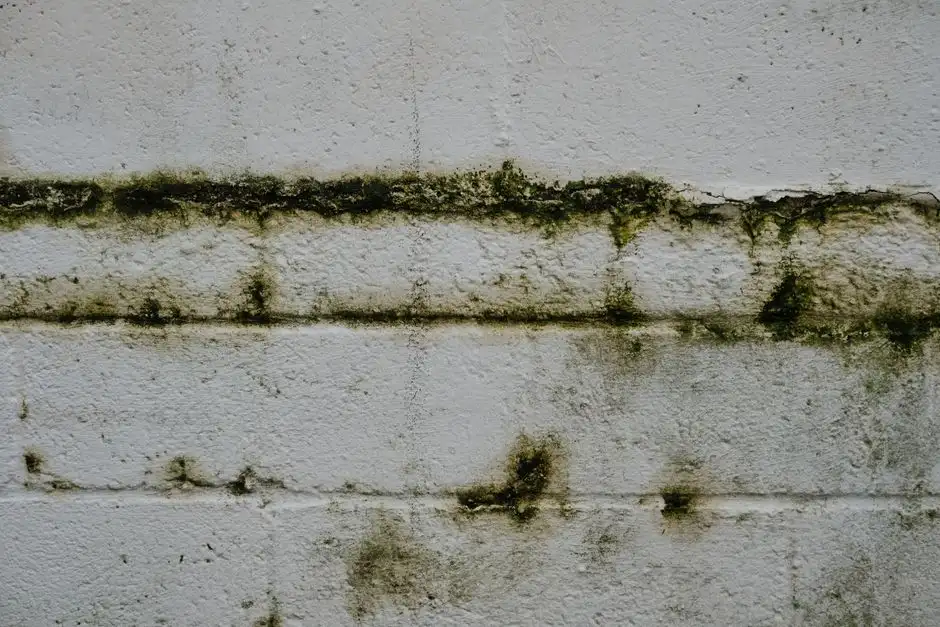
Odor Removal Mold in SYLMAR, California is the process of locating mold growth, removing the contaminated material, and neutralizing the gases that create that wet basement smell. A musty odor is not a perfume problem. It is microbial volatile organic compounds off-gassing from active mold colonies. We use a moisture meter and a thermal imaging camera to find the wet zone, then a boroscope inspection camera to see inside walls where the smell hides.
Sylmar homes sit in a hot, dry valley with cool nights, and that swing drives condensation into crawl spaces and wall cavities. Add a roof leak from winter rain or a slow supply-line drip under a sink, and you have the recipe for black mold growth and a smell that spreads through the whole house. Homeowners along Hubbard Street and El Dorado Avenue call us most often after a water heater leak or a bathroom fan that quit. If you have been searching for mold smell removal SYLMAR homeowners can trust, the fix starts with finding the water, not masking the air.
Every odor removal job in Sylmar includes the full scope from inspection through final air test. If the mold has spread into HVAC ductwork or the job needs reconstruction like new drywall, that is quoted separately so you can see the difference.
We use a moisture meter, thermal imaging camera, and boroscope inspection camera to locate the wet zone and the mold colony. This takes 45 to 90 minutes and covers the attic, crawl space, and any room with odor complaints.
We seal the work area with a containment barrier and 6-mil plastic sheeting, then set negative air pressure. This keeps spores from spreading to clean rooms while we work.
Contaminated drywall, insulation, and framing come out and get bagged for disposal. We HEPA vacuum all surfaces inside the containment, then apply an antimicrobial solution to stop regrowth.
We use a fogging machine with Benefect or Concrobium to reach crevices, then apply an encapsulant coating to porous surfaces. This is the step that removes the smell at the source instead of masking it.
Dri-Eaz dehumidifiers and air movers run until moisture readings return to normal. Removing the water is what prevents the mold and the odor from coming back.
A spore trap sampler collects air samples that go to an accredited lab. We compare indoor counts to an outdoor baseline and give you the report showing the space is clear.
We walk the house with a moisture meter, thermal imaging camera, and boroscope inspection camera. This takes 45 to 90 minutes. You get a written scope the same day showing where the mold is, what is feeding it, and what it will take to remove it.
We seal the work zone with a containment barrier and 6-mil plastic sheeting, then set negative air pressure so spores cannot drift into the rest of your home. Technicians suit up in personal protective equipment and respirators before any material comes down.
Contaminated drywall, insulation, and framing come out and get bagged. We HEPA vacuum every surface in the containment, then apply an antimicrobial solution. For heavy growth on joists, we use dry ice blasting to strip mold without grinding it into the wood.
This is the step that kills the smell. We run a fogging machine with a plant-based product like Benefect or Concrobium through the space, then set Dri-Eaz dehumidifiers to pull the moisture that feeds regrowth. The fog reaches into the same crevices the mold colonized.
We run a spore trap sampler and compare indoor counts to an outdoor baseline. When the numbers clear, we walk you through the space, show you the test results, and explain what to watch for. Most jobs finish in one to three days depending on scope.
Purpose-built equipment, used by trained technicians — so the job is done accurately the first time.
Reveals temperature differences behind walls and under floors, which points to hidden moisture and mold growth without opening up the whole house.
Gives us exact moisture readings in drywall, wood, and insulation so we know what is wet and what is dry before we start removal.
Lets us see inside wall cavities and ductwork through a small hole, so we can confirm mold growth before cutting into finished surfaces.
Filters airborne spores down to 0.3 microns and runs continuously during remediation to keep the rest of the house clean.
Applies Benefect or Concrobium as a fine mist that reaches crevices, framing, and porous surfaces where mold odor clings.
Strips mold from framing and block without grinding it into the wood. It leaves no secondary media behind, so cleanup is faster.
Collects air samples for lab analysis. We use it before and after remediation to prove indoor spore counts match outdoor baseline.
A homeowner on Sylmar Terrace had a musty smell in the hallway for months. The crawl space had no vapor barrier and humidity was above 75 percent. Insulation was soaked and covered in mold growth.
We removed the contaminated insulation, treated the joists with an antimicrobial solution, and ran Dri-Eaz dehumidifiers for three days. Post-remediation testing showed spore counts back at outdoor baseline. The hallway smell was gone.
A roof leak on Hubbard Street soaked attic insulation and sheathing. The homeowner noticed a musty smell in two bedrooms and a ceiling stain that kept growing. Spore counts indoors were three times the outdoor baseline.
We removed wet insulation, treated the sheathing with an antimicrobial solution, and ran HEPA air scrubbers during the work. The roofer fixed the leak, and our post-remediation test cleared. The bedrooms smelled clean within 48 hours.
A bathroom on Bledsoe Street had mold growing back on the ceiling every few months. The exhaust fan was undersized and venting into the attic instead of outside. The room smelled musty even after cleaning.
We removed the moldy drywall, treated the framing, and installed a properly sized fan vented to the exterior. Air testing cleared, and the musty odor treatment held. The homeowner has not seen mold return in over a year.
Most odor complaints trace back to one of a few sources. Here is what we see most often and how we fix it.
Ask a pro →We locate the colony with a boroscope inspection camera, remove the contaminated material, and treat the framing. Then we fog the space and verify with air testing so the smell does not return.
We remove contaminated insulation and debris, treat the joists, and set Dri-Eaz dehumidifiers to bring humidity down. We also recommend a vapor barrier to keep ground moisture out long term.
We remove wet insulation, treat the sheathing, and run air scrubbers with HEPA filters. If the leak is active, we coordinate with a roofer before we close up the space.
We test the fan, check for leaks behind the wall, remove the moldy material, and treat the surfaces. We also tell you what fan CFM your bathroom needs so it does not happen again.
Typical 2026 pricing in Sylmar runs $450 to $1,800 for a single room or crawl space, and $2,500 to $6,500 for whole-house remediation with attic or HVAC involvement. The biggest cost drivers are square footage, how much material has to come out, and whether testing is needed. We give you a written price before any work starts.
A musty smell in Sylmar almost always means active mold growth somewhere damp. Common sources are crawl spaces with high humidity, bathrooms with a failed exhaust fan, and attics with a slow roof leak. The smell is microbial volatile organic compounds the mold releases. If the odor is stronger in one room, that room is usually closest to the colony.
Yes, when it targets the source instead of the air. We remove the moldy material, HEPA vacuum the space, apply an antimicrobial solution, and fog with Benefect or Concrobium. Then we run a spore trap sampler to confirm counts are back to outdoor baseline. That combination removes the odor rather than covering it up.
Mold odor comes from active colonies off-gassing as they digest wet drywall, insulation, or wood. In Sylmar, the usual triggers are water damage from leaks, high indoor humidity in crawl spaces, and HVAC mold contamination that spreads spores through the ducts. Fix the moisture and remove the growth, and the odor stops.
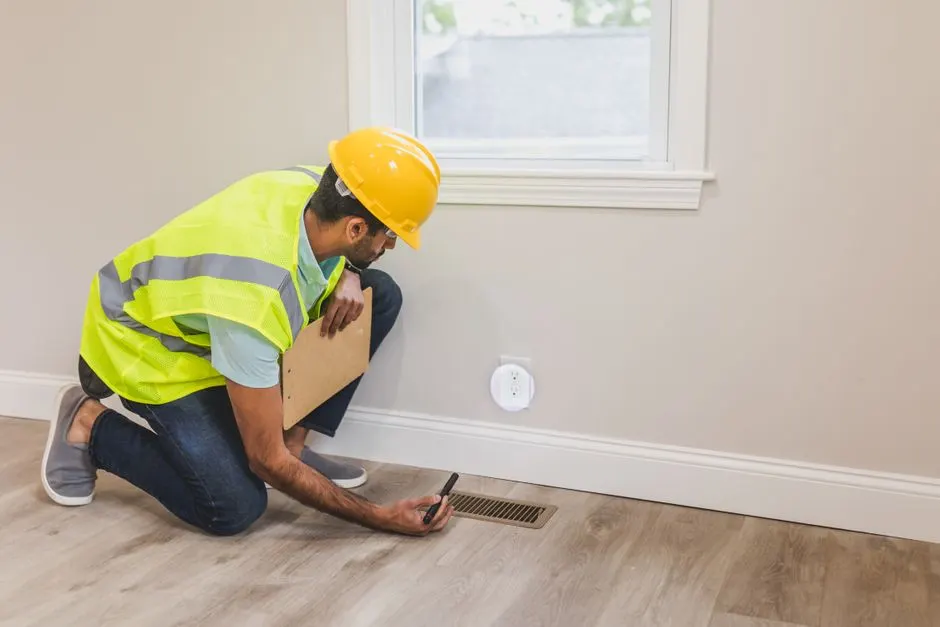 Mold Inspection Near MeA mold inspection is the first step before any odor removal job in Sylmar. We map the wet zone with a moisture meter and thermal imaging camera, then document what we find so you know exactly what is feeding the smell.Explore →
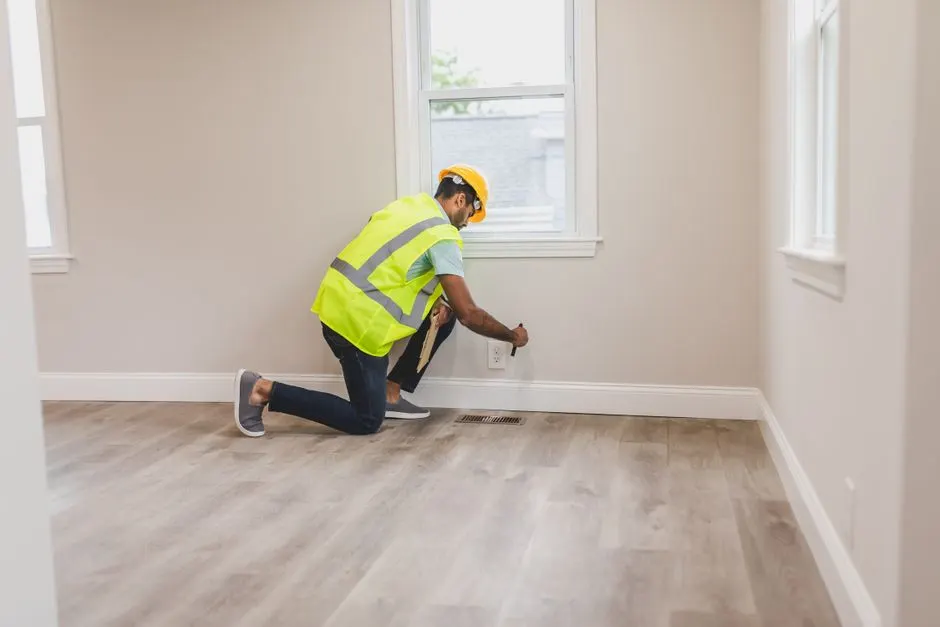 Mold InspectionOur standard mold inspection covers the full house, including attic, crawl space, and HVAC. For odor complaints, this is how we find the colony behind the wall before we set up containment and start removal.Explore →
 Mold TestingMold testing tells us what species are present and how high the spore counts are. For odor jobs in Sylmar, we test before and after so you have lab numbers proving the musty smell elimination worked.Explore →
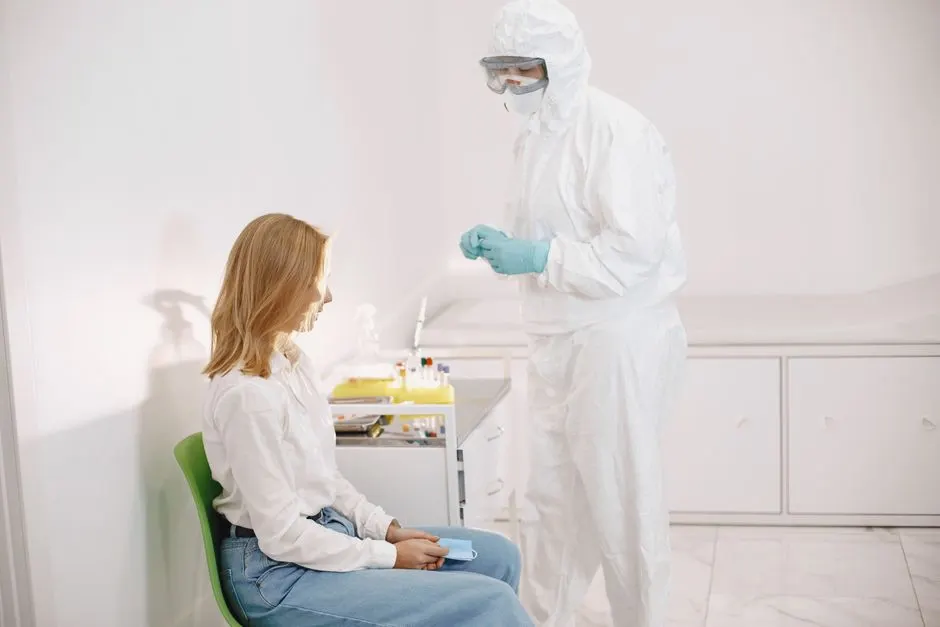 Mold Testing Near MeIf you need mold testing near you in Sylmar, we can usually schedule it within 24 hours. Samples go to an accredited lab, and results come back in one to two business days.Explore →
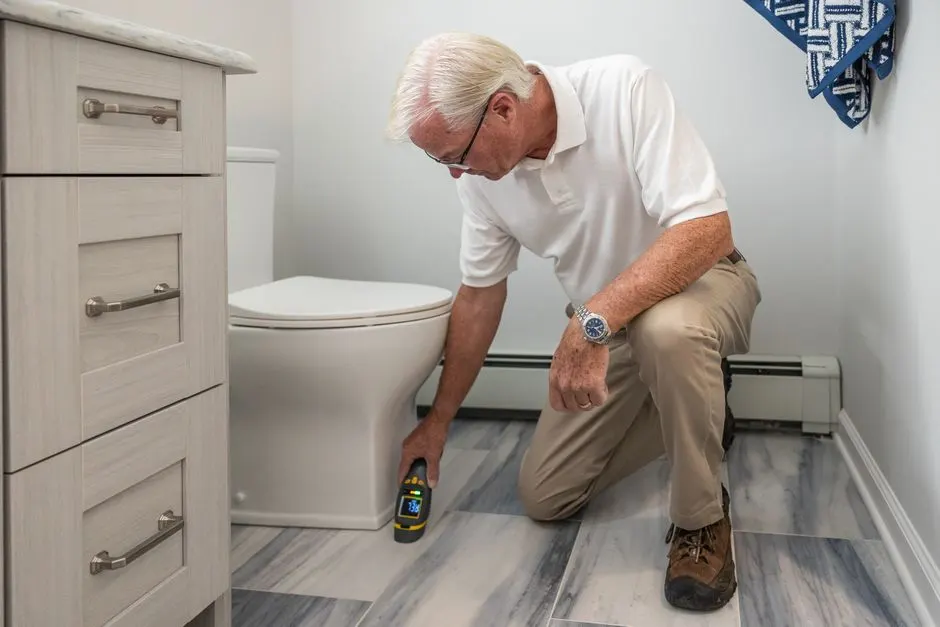 Certified Mold InspectorA certified mold inspector documents conditions, moisture readings, and lab results in a written report. That report is what guides our odor removal scope and what your insurance adjuster will want to see.Explore →
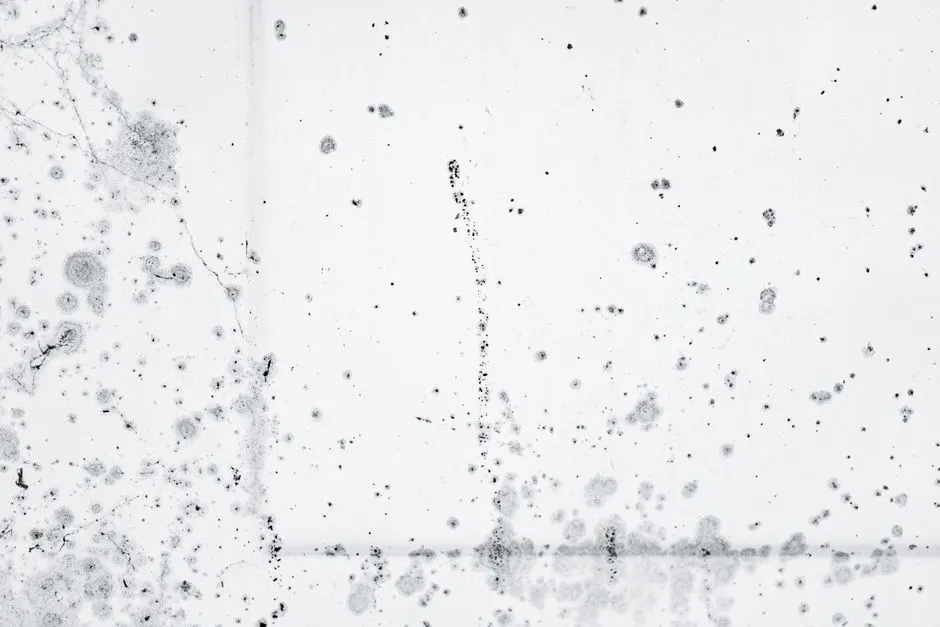 Black Mold InspectionBlack mold growth often produces the strongest musty odor. Our black mold inspection focuses on the dark, damp zones where it thrives, then confirms species with lab testing before we remove anything.Explore →
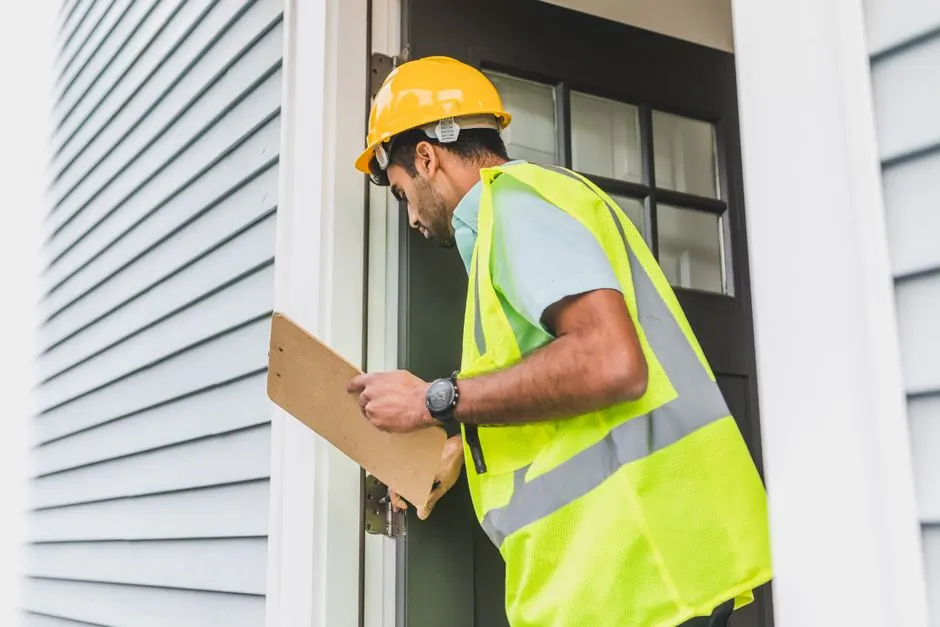 Home Mold InspectionA home mold inspection covers every room, plus the attic, crawl space, and ductwork. For Sylmar homeowners chasing a smell, this is the fastest way to find the source without tearing out walls blindly.Explore →
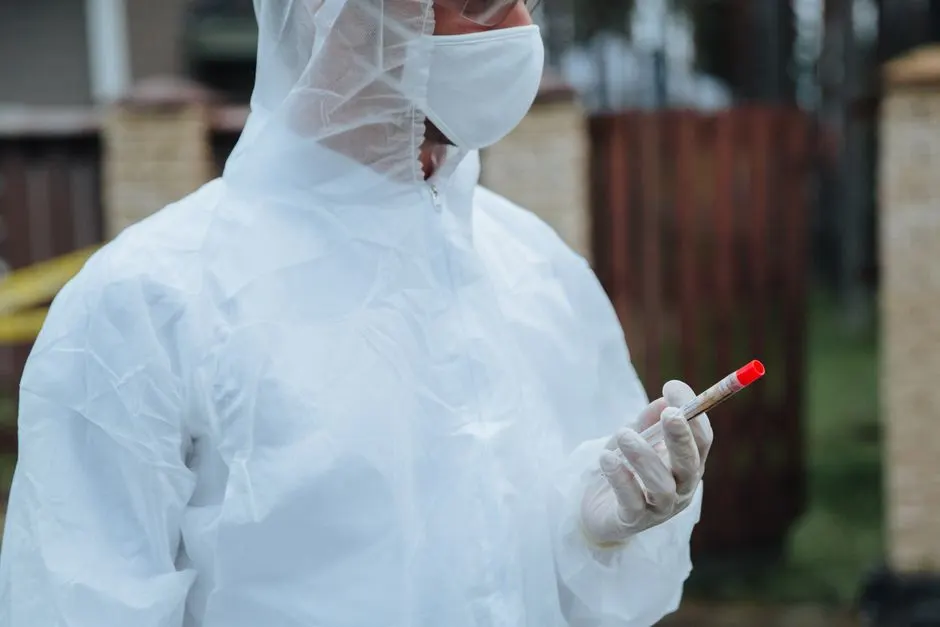 Residential Mold TestingResidential mold testing gives homeowners air and surface samples with clear numbers. We use it to confirm the odor source and to verify the air is clean after remediation.Explore →
If your house smells musty, the mold is still active and the problem is growing. Call (833) 929-5837 and we will schedule an inspection, give you a written price, and start musty smell elimination as soon as today. Same-day and 24/7 emergency response available.
Book an Inspection (833) 929-5837 →Call (833) 929-5837 or send us a message and we will get back to you the same day. Our phones are answered 24 hours for emergencies, and regular inspections are scheduled Monday through Friday. Tell us what you are seeing or smelling, and we will tell you what the next step is.