Musty odor that returns after cleaning
We locate the source with a boroscope inspection camera, then fog the cavity directly through small access ports. The antimicrobial kills the spores producing the mVOCs, and the smell goes away at the source.
Mold Fogging Treatment in SYLMAR, California is the finishing step that kills airborne spores hiding in wall cavities, attics, and HVAC ducts after physical removal. We run it for homeowners along Foothill Boulevard, landlords near San Fernando Road, and property managers in Sylmar Terrace. If you still smell that musty odor after a cleanup, the spores are still there.
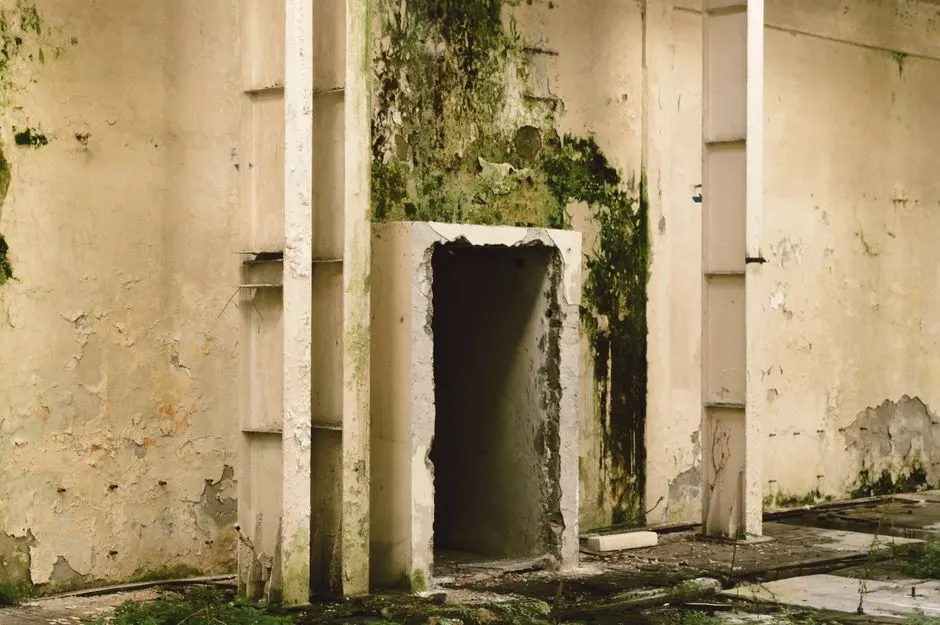
Mold Fogging Treatment in SYLMAR, California is a whole-house disinfection process that turns a liquid antimicrobial into a fine fog and pushes it into every cavity, duct, and crack a spray bottle can't reach. We use a fogging machine to atomize EPA-registered solutions like Concrobium or Benefect into particles small enough to stay suspended in the air for hours. As the fog settles, it coats surfaces and kills mold spores, bacteria, and the volatile compounds causing that musty smell.
Most SYLMAR calls come after a slow leak under a slab, a roof failure during a winter storm, or a bathroom that never fully dried. Fogging is the step that follows physical removal, not a replacement for it. If you've already had drywall torn out and HEPA vacuuming done, dry fog mold treatment SYLMAR California is what stops the spores you can't see from re-colonizing the same wall cavity six weeks later.
Every fogging job we run in Sylmar includes the same core scope. We quote flat rates, so you know what you're paying before we start. If your job needs additional work like drywall removal or HVAC duct cleaning, we'll tell you upfront and quote it separately.
We use a moisture meter and thermal imaging camera to map every wet zone before fogging. Fogging a wet cavity is pointless, so we confirm the structure is dry enough to hold a residual antimicrobial layer.
Doorways and HVAC registers get sealed with 6-mil containment plastic sheeting. A HEPA air scrubber runs throughout the job to keep spores from migrating into clean rooms.
We apply EPA-registered solutions like Concrobium, Benefect, or RMR Solutions using a fogging machine calibrated to your square footage. Every cavity, duct, and surface gets treated.
After a 2 to 4 hour settle period, we run a spore trap sampler and compare indoor counts to an outdoor baseline. You get a written report you can hand to your insurance company.
Every job closes with a PDF report showing pre- and post-treatment spore counts, moisture readings, and photos of the treated areas. No verbal-only sign-offs.
We leave written re-entry guidance on site, including how long to wait before returning, how to ventilate, and what to watch for in the following weeks.
A certified technician walks the property with a moisture meter and thermal imaging camera to map every wet zone. We check attic sheathing, crawl space joists, bathroom subfloor, and HVAC returns. This takes 45 to 90 minutes and tells us exactly which cavities need fog access.
We seal doorways and HVAC registers with 6-mil containment plastic sheeting and set up a HEPA air scrubber to keep spores from migrating to clean rooms. Negative air pressure is verified before any fogging begins. Setup runs 30 to 60 minutes depending on square footage.
Fogging doesn't remove mold, it kills it. Any visible growth on drywall, framing, or insulation gets HEPA vacuumed and wiped with an antimicrobial solution first. Porous materials like wet drywall and insulation get bagged and removed. This is the longest phase, often 2 to 6 hours.
We load the fogging machine with an EPA-registered solution and apply in calculated passes, room by room. Thermal fogging mold treatment SYLMAR CA uses heat to vaporize the solution, while ULV fogging uses a cold atomizer. Each room gets 10 to 20 minutes of dwell time before we move on.
After a 2 to 4 hour settle period, we run a spore trap sampler to compare indoor spore counts against an outdoor baseline. You get a written report. If counts are still elevated, we re-fog at no additional charge. Most jobs close out same-day.
Purpose-built equipment, used by trained technicians — so the job is done accurately the first time.
Thermal units vaporize antimicrobial solution for deep cavity penetration. ULV units produce a fine cold mist for electronics, finished surfaces, and HVAC ducts. We carry both on every truck.
Confirms drywall, framing, and subfloor moisture content before and after treatment. We don't fog a cavity that's still above 15% moisture because the treatment won't hold.
Reveals temperature differences that indicate hidden moisture behind walls and ceilings. It's how we find wet zones that a visual inspection would miss.
A flexible camera that goes into wall cavities through small holes. We use it to confirm mold growth and to verify the fog reached the target area.
Runs throughout the job to filter airborne spores and keep them from migrating into clean rooms. We use Abatement Technologies units on every containment setup.
Collects air samples before and after treatment. Lab analysis gives you a spore count comparison you can hand to an insurance adjuster or a buyer.
Dri-Eaz and Phoenix Restoration units pull moisture out of the air and structure. Fogging only works on dry surfaces, so dehumidification is often the first step.
A homeowner on Bledsoe Street had a roof leak that soaked the attic sheathing for two winters before they noticed. Visible black mold covered roughly 40 square feet of plywood, and the attic smelled strongly musty every time the AC ran.
We HEPA vacuumed the affected sheathing, applied an antimicrobial wipe, then thermal fogged the entire attic cavity. Post-treatment spore counts dropped 91% compared to the outdoor baseline. The musty smell was gone within 24 hours.
A rental unit near San Fernando Road had bathroom mold that the tenant had cleaned three times with bleach. It kept coming back within weeks. The exhaust fan was undersized, and moisture was pooling behind the shower surround.
We removed the affected drywall section, treated the framing, and ran ULV fogging through the bathroom and exhaust duct. Six months later, no regrowth. The landlord upgraded the exhaust fan to a 110 CFM unit as part of the fix.
A burst pipe under a Lopez Canyon home flooded the crawl space and sat for four days before anyone noticed. Joists and subfloor insulation were covered in white and black mold growth, and the living room above smelled musty.
We dried the space with Dri-Eaz dehumidifiers, removed contaminated insulation, HEPA vacuumed the joists, and fogged the entire subfloor cavity. Moisture readings dropped from 28% to 11% at closeout. The smell cleared in two days.
Fogging is the right tool for a specific set of problems. Here's what we see most often in Sylmar homes and how fogging fixes it.
Ask a pro →We locate the source with a boroscope inspection camera, then fog the cavity directly through small access ports. The antimicrobial kills the spores producing the mVOCs, and the smell goes away at the source.
We re-inspect, confirm the moisture source is fixed, then run a full fogging treatment with extended dwell time. Post-treatment spore sampling proves the regrowth cycle is broken.
We isolate the HVAC system, fog the ductwork with ULV fogging, and replace the filters with HEPA-rated units. The system gets a clean restart instead of recirculating spores.
We dry the space with Dri-Eaz dehumidifiers, remove contaminated insulation, then fog the entire subfloor cavity. A moisture meter reading confirms the space is under 15% before we close out.
Most residential fogging jobs in Sylmar run $450 to $1,400 in 2026, depending on square footage and how many cavities need access. A single bathroom or attic fogging can land closer to $350. Whole-house jobs with HVAC duct treatment push toward the top of the range. We quote flat rates upfront, and the clearance spore test is included.
Yes, when applied by a trained technician using EPA-registered solutions like Concrobium or Benefect. We require occupants, pets, and plants to be out of the treated area for 4 to 6 hours while the fog settles. After that, the space is safe to re-enter. We use personal protective equipment during application and leave written re-entry instructions on every job.
Thermal fogging uses heat to vaporize the antimicrobial into a dense, visible fog that penetrates deep into wall cavities and porous materials. ULV fogging uses a cold atomizer to produce a finer, drier mist that's better for electronics, finished surfaces, and HVAC ducts. We choose based on what's in the room. Most whole-house jobs use both.
Yes. A properly applied fogging treatment kills mold spores on contact and leaves a residual antimicrobial layer that prevents regrowth for weeks. It does not remove dead spores or the food source they were feeding on, which is why we always pair fogging with HEPA vacuuming and physical removal of contaminated materials. The fog kills; the vacuum removes.
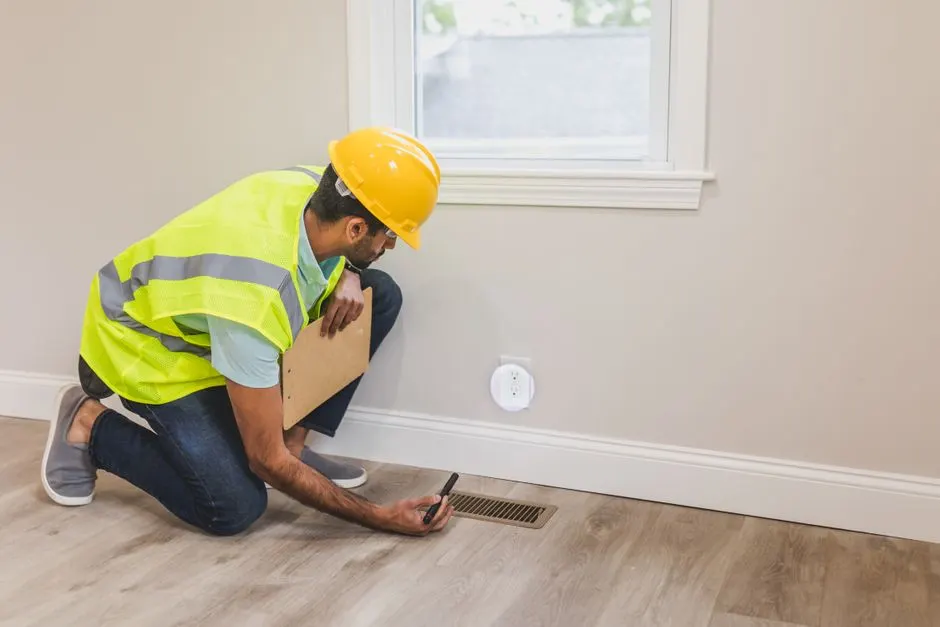 Mold Inspection Near MeBefore any fogging job, we run a full visual and moisture inspection to confirm where the mold actually is. Sylmar customers get a written scope with photos, so you know exactly what's being treated.Explore →
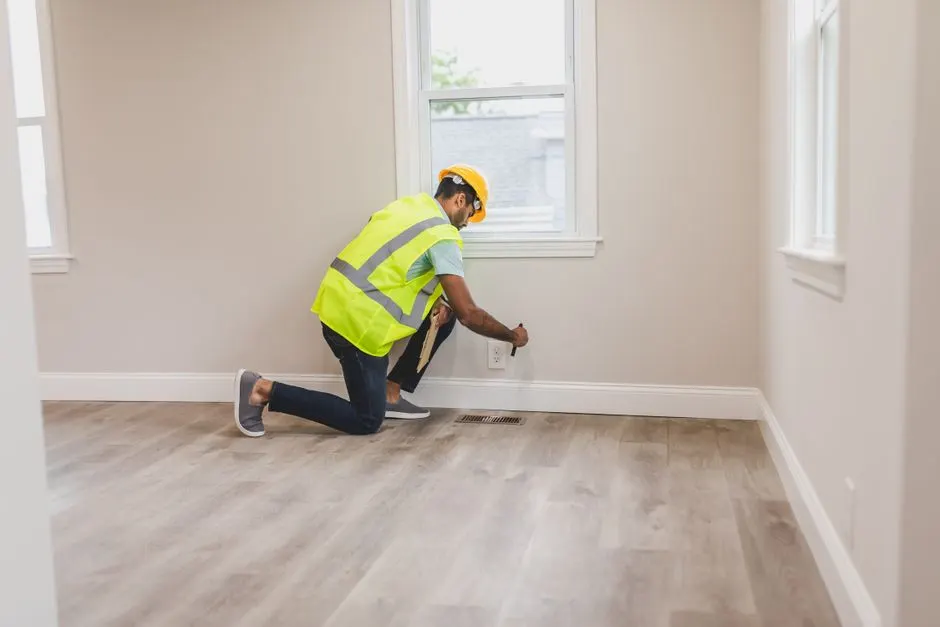 Mold InspectionA standard inspection covers attic, crawl space, bathrooms, and HVAC. We use a thermal imaging camera and moisture meter to find hidden wet zones that would defeat a fogging job if left untreated.Explore →
 Mold TestingLab-based mold testing tells you what species you're dealing with. Black mold, Cladosporium, and Penicillium all respond differently to fogging solutions, so species ID shapes our chemical choice.Explore →
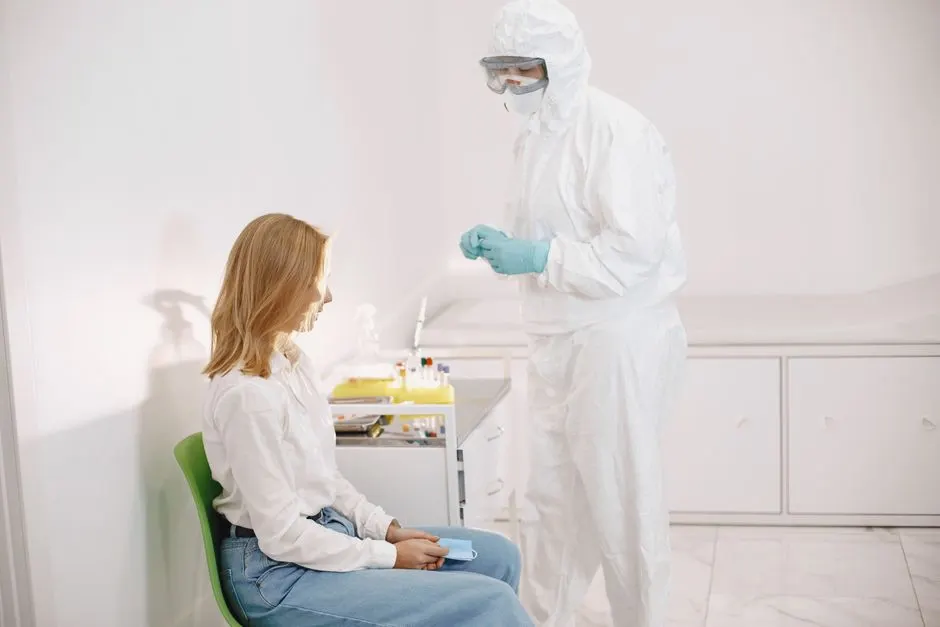 Mold Testing Near MeSame-day mold testing across Sylmar. We collect air and surface samples, send them to a third-party lab, and have results back in 24 to 48 hours. Those results drive the fogging scope.Explore →
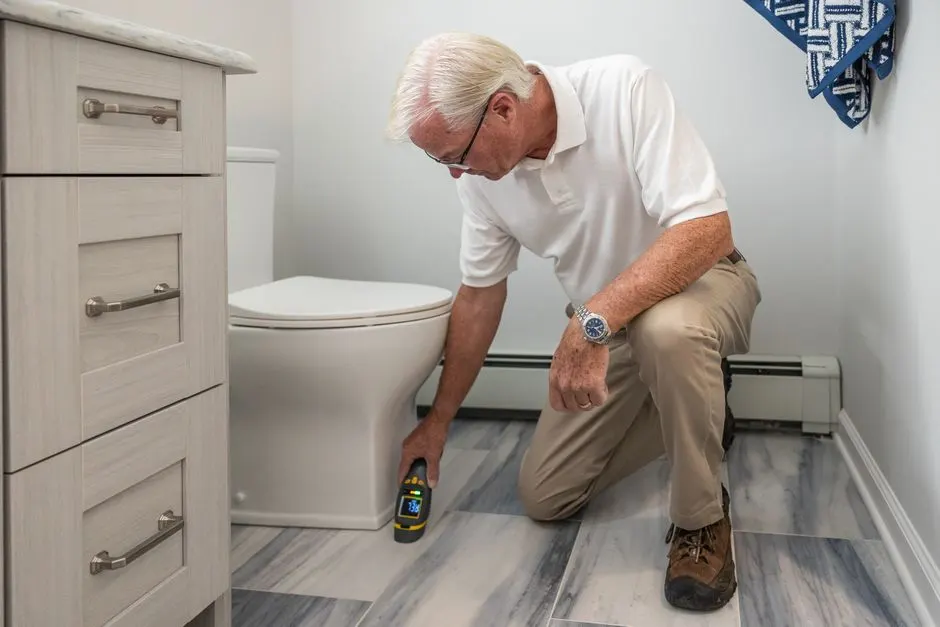 Certified Mold InspectorOur IICRC-certified inspectors document pre- and post-fogging conditions. If you need a report for a real estate transaction or insurance claim, this is the service that produces it.Explore →
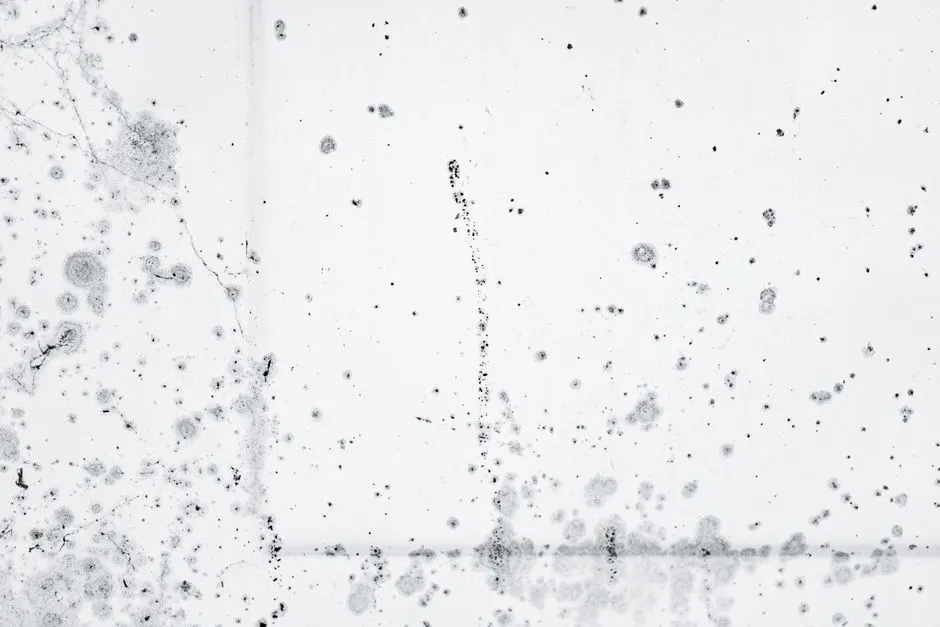 Black Mold InspectionBlack mold (Stachybotrys) needs aggressive treatment. We inspect, confirm, and design a fogging protocol that includes extended dwell time and post-treatment clearance testing.Explore →
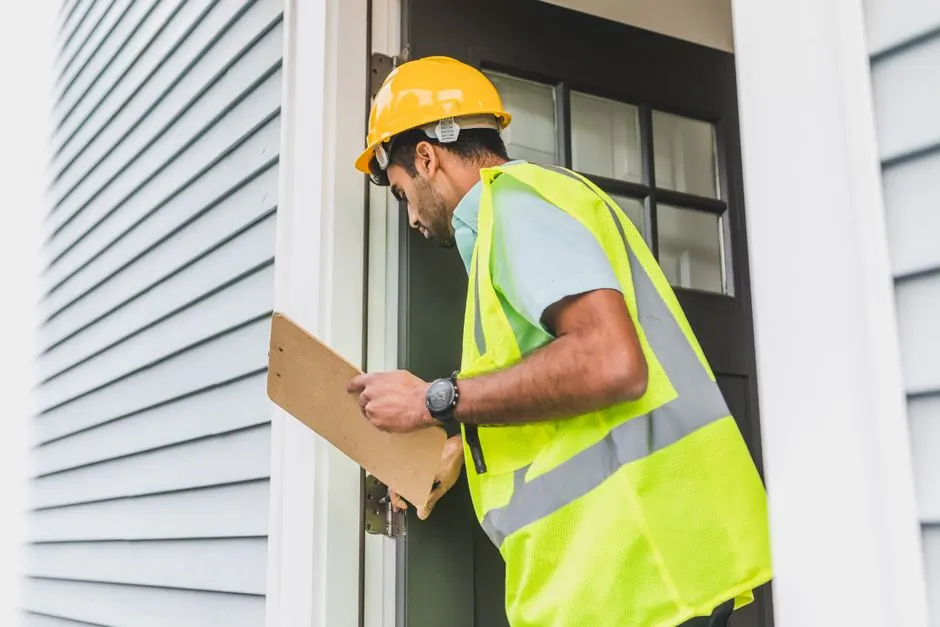 Home Mold InspectionA whole-home inspection covers every room, the attic, the crawl space, and the HVAC system. It's the right starting point before scheduling fogging for a Sylmar house you just bought.Explore →
 Residential Mold TestingResidential testing focuses on living spaces, bedrooms, and bathrooms. We use spore trap samplers and compare indoor counts against an outdoor baseline to confirm whether fogging is warranted.Explore →
If you still smell musty air after a cleanup, the spores are still there. Call (833) 929-5837 for a same-day inspection and a flat-rate fogging quote. We're licensed, insured, and we back every job with a written clearance report.
Get a Free Quote (833) 929-5837 →Call (833) 929-5837 or send us a message and we will get back to you the same day. Our phones are answered 24 hours for emergencies, and regular inspections are scheduled Monday through Friday. Tell us what you are seeing or smelling, and we will tell you what the next step is.