Containment, removal, and clearance testing done right the first time

Mold Abatement in SYLMAR, California That Ends the Growth

Mold Abatement in SYLMAR, California means stopping active growth, removing contaminated material, and proving the air is clean before we leave. Our mold mitigation SYLMAR California crews handle everything from a single bathroom wall to full attic and crawl space contamination. We started in 2021, and we have spent five years working the older housing stock along San Fernando Road and Foothill Boulevard. If you smell that musty odor, call (833) 929-5837.

↗
Fast online booking

Request service today

Tell us what is happening. Our local team will confirm your visit shortly.

No spam. No obligation. Just practical help.
Thanks — we'll call shortly to confirm your visit.
Mold Remediation Service Sylmar — your local Mold Remediation Service team
Careful work. Honest options.
About this service

What Mold Abatement in SYLMAR, California Actually Involves

Mold Abatement in SYLMAR, California is the physical removal of mold growth and the contaminated material it has colonized, not just a spray-and-wipe. We set up containment barrier plastic to isolate the work zone, run air scrubbers with HEPA filters to capture airborne spores, and remove porous materials like drywall and insulation that cannot be cleaned. Non-porous surfaces get HEPA vacuuming, antimicrobial solution, and an encapsulant coating. Every job ends with clearance testing so you have documentation, not just a promise.

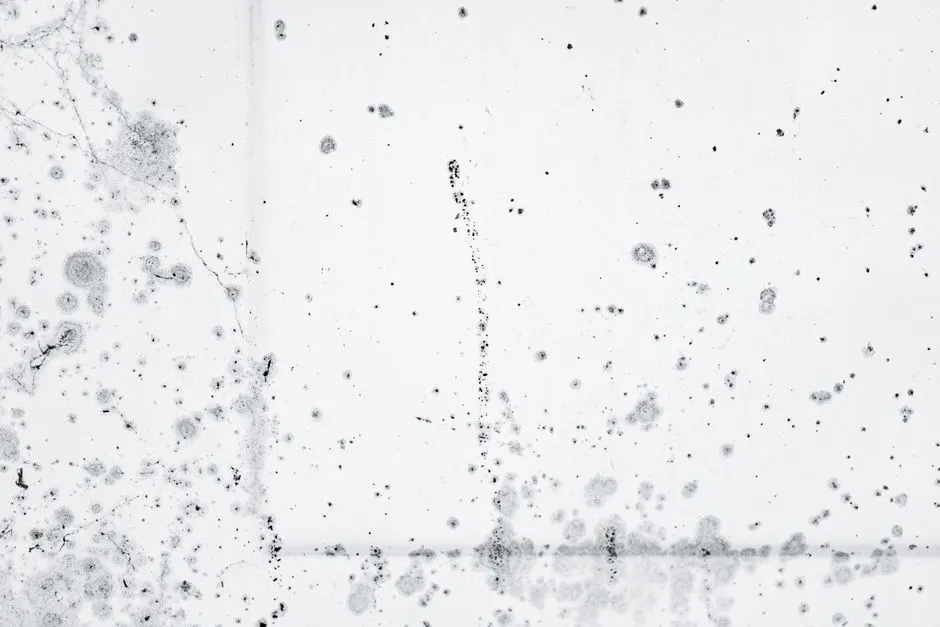
SYLMAR homes built in the 1950s and 1960s have original plumbing, single-pane windows, and crawl spaces that trap moisture year-round. Add a roof leak after a winter storm or a slow supply line drip under a bathroom vanity, and you have black mold growth inside 48 hours. We see it most on Dronfield Avenue and Bledsoe Street, where slab-on-grade construction pushes humidity up through the flooring. If you are searching for affordable mold mitigation in SYLMAR CA, we quote the job before we start and stick to it.

  • ✓ Air You Can Breathe Again
  • ✓ Damage Stopped at the Source
  • ✓ Documentation for Insurance
  • ✓ No Recurrence Six Months Later
What's included

What Our Mold Abatement Service Includes

Every job we run includes the same core scope: inspection, containment, removal, cleaning, and clearance testing. What varies is the size of the affected area and whether repairs are needed afterward. Here is what you get as standard, and what we handle as an add-on when the situation calls for it.

✓

Full Inspection and Moisture Mapping

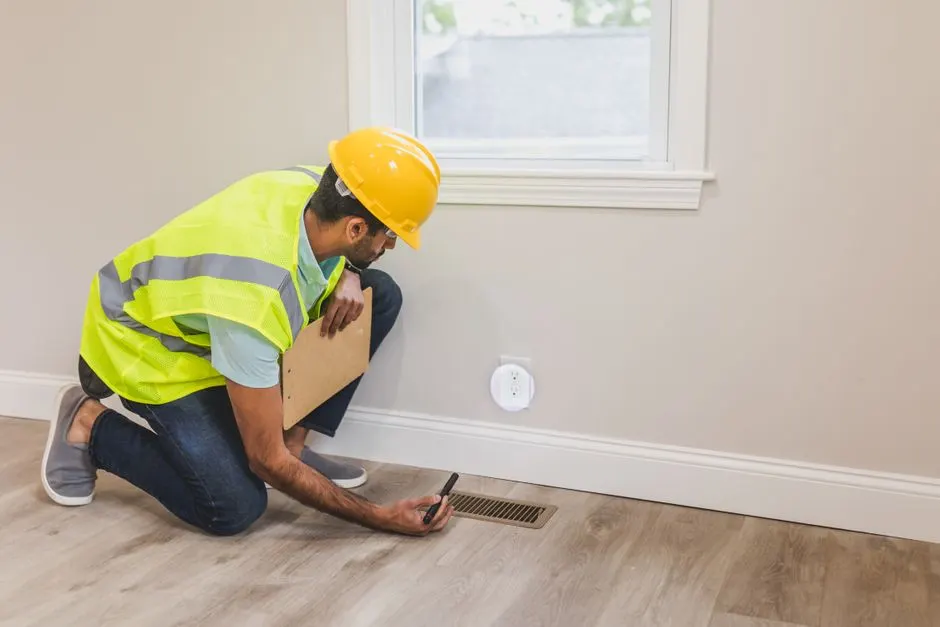
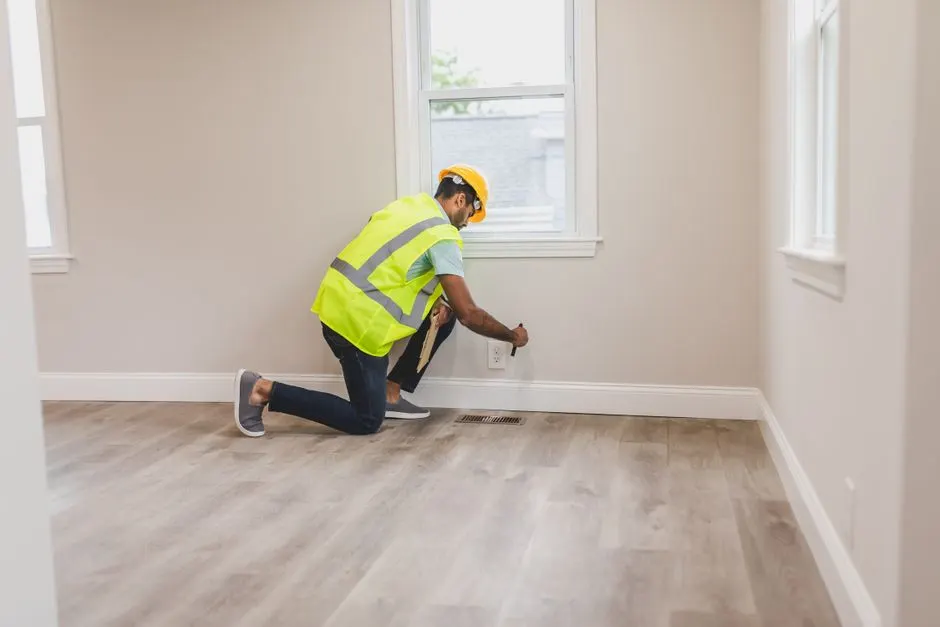
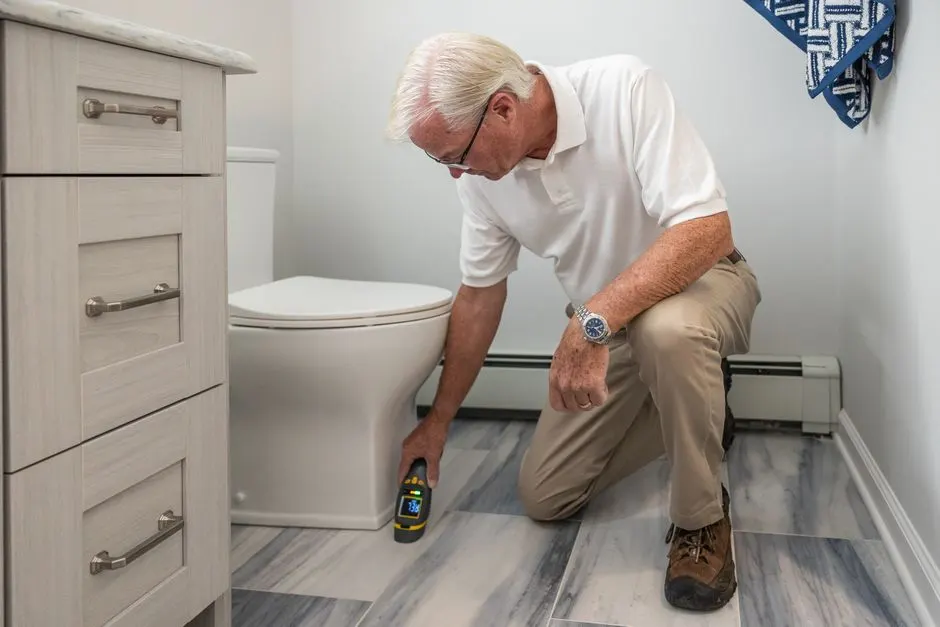
We use a moisture meter, thermal imaging camera, and boroscope inspection camera to find every affected area and the water source behind it. You get photos and readings in writing. This step takes 60 to 90 minutes and determines the entire scope of work.

✓

Containment and Negative Air

We seal the work zone with containment plastic sheeting and run air scrubbers with HEPA filters to keep spores from spreading. Negative air pressure keeps the contained area isolated. Setup takes about two hours on a typical residential job.

✓

Removal and Surface Treatment

Contaminated drywall, insulation, and trim come out in sealed bags. We HEPA vacuum exposed surfaces, apply antimicrobial solution, and coat framing with an encapsulant. For heavy growth on structural lumber, we use dry ice blasting machines to clean without water.

✓

Clearance Testing and Lab Report

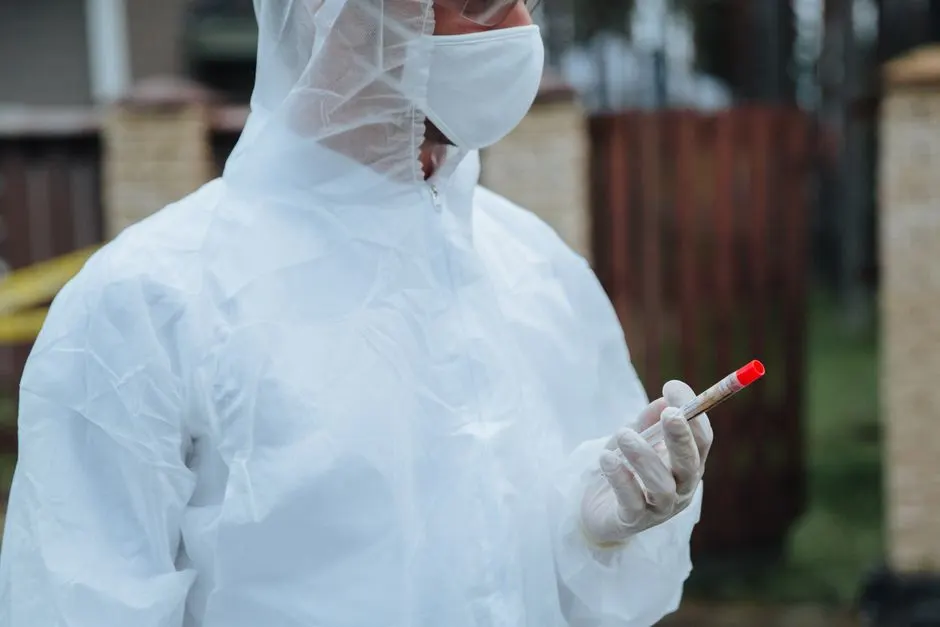
An independent spore trap sampler collects air inside the work zone and outside for comparison. The lab compares the two counts and issues a written report. We do not close the job until indoor levels are at or below outdoor baseline.

✓

Moisture Source Correction

Mold returns if the water problem stays. We fix the supply line, repair the roof leak, or correct the ventilation that caused the growth. On crawl space jobs, we may install a vapor barrier or dehumidifier. This step is what makes the abatement permanent.

✓

Repair and Rebuild

After clearance passes, we replace removed drywall and insulation and finish the surfaces. Most repairs add one to three days to the schedule. You get a finished room, not just a cleaned-out cavity, when we are done.

How it works

How Our Mold Abatement Process Works

01

Inspection and Testing

We walk the property with a moisture meter and thermal imaging camera, then use a boroscope inspection camera to look inside wall cavities and under flooring. Air samples go to a lab, and you get results in 24 to 48 hours. This step tells us the species, the spread, and the moisture source. Expect 60 to 90 minutes on site.

02

Containment Setup

We seal off the work zone with containment plastic sheeting and negative air pressure so spores cannot drift into clean rooms. Air scrubbers with HEPA filters run continuously. On a typical 200-square-foot job, setup takes about two hours. You can stay in the house during most residential jobs, though we ask you to keep pets and kids out of the contained area.

03

Removal and Cleaning

Contaminated drywall, insulation, and trim come out and go into sealed bags. We HEPA vacuum every exposed surface, apply antimicrobial solution, and treat framing with an encapsulant coating. For heavy growth on structural lumber, we use dry ice blasting machines because they clean without water. Removal on a standard bathroom runs one to two days.

04

Clearance Testing

After cleaning, an independent spore trap sampler collects air samples inside the work zone and outside for comparison. The lab compares the two counts. If indoor levels are at or below outdoor baseline, the job passes. If not, we re-clean and re-test. We do not close out a job until the numbers are right.

05

Repair and Prevention

Once clearance passes, we replace removed drywall and insulation, then address the moisture source. That might mean a new supply line, a bathroom exhaust fan vented to the exterior, or a dehumidifier in the crawl space. We also give you a written maintenance plan so you know what to check each season. Repairs typically add one to three days.

Tools & methods

Tools and Methods We Use on Every Job

Purpose-built equipment, used by trained technicians — so the job is done accurately the first time.

Moisture Meter and Thermal Imaging Camera

Find hidden moisture behind walls, under flooring, and in ceilings without demolition. The thermal camera shows temperature differences that reveal wet areas the eye cannot see.

Boroscope Inspection Camera

Look inside wall cavities, ductwork, and crawl spaces through small access holes. This lets us confirm mold growth and measure its spread before we open anything up.

Air Scrubber with HEPA Filters

Capture airborne spores and keep the contained work zone under negative pressure. We run these continuously from containment setup through final cleaning.

HEPA Vacuum

Remove settled spores from surfaces without releasing them back into the air. We use ProTeam HEPA vacuums on framing, subflooring, and every exposed surface after removal.

Dry Ice Blasting Machine

Clean mold off structural lumber without adding water. This is our preferred method on attic sheathing and crawl space joists where moisture would make the problem worse.

Fogging Machine

Apply antimicrobial solution into wall cavities, ductwork, and other tight spaces that manual cleaning cannot reach. Used as a complement to physical removal, never as a standalone fix.

Spore Trap Sampler

Collect air samples before and after abatement so the lab can compare indoor counts to outdoor baseline. This is the standard method for clearance testing.

Real results

Before and after.

Bathroom Wall Mold Removal on Bledsoe Street

Before

A slow supply line leak under the vanity fed mold inside the wall cavity for months. The homeowner noticed a musty odor and dark staining along the baseboard. Moisture readings showed the drywall was saturated 18 inches up from the floor, and the boroscope camera confirmed growth on the back side of the board.

After

We removed the contaminated drywall and insulation, treated the framing with antimicrobial solution and encapsulant, and replaced the failed supply line. Clearance testing came back with indoor spore counts at outdoor baseline. The wall was rebuilt and painted. Total time from containment to finished repair: three days.

Attic Mold Abatement Near Lopez Canyon

Before

A roof leak during winter rains soaked the attic sheathing and insulation. By the time the homeowner called, mold covered roughly 200 square feet of roof decking and had spread into the insulation batts. The attic smelled strongly of mold, and spores were circulating into bedrooms below through gaps in the ceiling.

After

We removed the contaminated insulation, cleaned the sheathing with dry ice blasting machines so no water was added, and treated the framing with antimicrobial solution and encapsulant. Clearance testing passed on the first try. New insulation went in, and the roof leak was repaired. Total time: five days.

Crawl Space Mold Removal on Polk Street

Before

Ground moisture kept the crawl space at 75 percent humidity year-round. Mold grew along the floor joists and subflooring, and the homeowner noticed a damp smell inside the house. A moisture meter confirmed the joists were holding enough water to support active growth.

After

We removed the growth, treated the joists with antimicrobial solution and encapsulant, and installed a vapor barrier across the crawl space floor. A dehumidifier was added to keep humidity below 50 percent. Clearance testing confirmed the air was clean, and the indoor damp smell disappeared within a week.

Problems we solve

Mold Problems We Solve for SYLMAR Property Owners

Most mold calls start with one of these five situations. Each one has a different cause and a different fix, and getting the diagnosis right is what keeps the mold from coming back.

Ask a pro →
01

Musty odor with no visible mold

We use a boroscope inspection camera and thermal imaging camera to find hidden growth without tearing out walls. Once located, we set containment, remove the affected material, and treat the cavity. Testing confirms the air is clean before we close it up.

↗
02

Bathroom mold that keeps returning

We remove the growth, clean and treat the surfaces, and check the exhaust fan CFM rating against the room size. If the fan is venting into the attic, we reroute the duct to the exterior. That fix is what stops the cycle.

↗
03

Attic mold after a roof leak

We test the extent, remove contaminated insulation, and clean the framing. On heavy growth we use dry ice blasting machines because they clean without adding moisture. After abatement, we recommend ventilation and roof repairs so it does not return.

↗
04

Crawl space mold from ground moisture

We remove the growth, treat the wood, and install a vapor barrier to block ground moisture. Where humidity stays high, we add a dehumidifier. This combination drops crawl space humidity enough to stop new growth.

↗
Proof you can check

Licensed, Certified, and Documented

✓
IICRC CertificationInstitute of Inspection, Cleaning and Restoration Certification
✓
ACAC CertificationAmerican Council for Accredited Certification
✓
State Contractor LicenseCalifornia Contractors State License Board
✓
OSHA Safety ComplianceOccupational Safety and Health Administration
✓
Indoor Air Quality CertificationAmerican Indoor Air Quality Council
Good questions

Frequently Asked Questions About Mold Abatement in SYLMAR

(833) 929-5837 →

Most residential jobs in SYLMAR run $1,200 to $4,500 in 2026, depending on square footage and how deep the growth goes. A single bathroom wall averages around $1,500. A full attic or crawl space with structural contamination can reach $6,000 or more. Testing, containment, removal, and clearance are included in that number. We quote before we start, so the price you hear is the price you pay.

Abatement is the physical removal of mold and contaminated material. Remediation is the broader process that includes finding the moisture source, fixing it, and preventing recurrence. In practice, a complete job does both. We remove the growth, correct the water problem that caused it, and verify the air is clean. Skipping either half means the mold comes back within a season.

A typical bathroom or single-room job takes two to four days from containment to clearance. Attic and crawl space jobs run three to five days. Large commercial projects can take one to two weeks. Lab results add 24 to 48 hours to the timeline. We give you a day-by-day schedule before we start so you can plan around it.

Yes, and we include it on every job. Clearance testing uses a spore trap sampler to compare indoor air to outdoor baseline. Without it, you have no proof the work succeeded, and insurance carriers often require the report before paying a claim. If you ever sell the property, that documentation protects you. We do not close a job until the lab confirms the air is clean.

Ready when you are

Get Mold Abatement in SYLMAR, California Started Today

Every day you wait, mold spreads further into drywall, insulation, and framing. We answer the phone 24/7, quote the job before we start, and include clearance testing on every project. Call (833) 929-5837 and we can usually have a technician on site the same day.

Call Now (833) 929-5837 →
Request an appointment

Contact Our Sylmar Team

Call (833) 929-5837 or send us a message and we will get back to you the same day. Our phones are answered 24 hours for emergencies, and regular inspections are scheduled Monday through Friday. Tell us what you are seeing or smelling, and we will tell you what the next step is.

Request received — our team will be in touch shortly.
Tap to call(833) 929-5837