Attic mold after a roof leak
We contain the attic, blast the sheathing and rafters with dry ice, HEPA vacuum, and treat with antimicrobial solution. Most SYLMAR attics are cleared in a single day with a lab report to prove it.
Dry Ice Blasting Mold in SYLMAR, California is the dry, residue-free way to strip black mold off structural framing, joists and sheathing without soaking your home or tearing it apart. We handle CO2 blasting mold removal in SYLMAR California for homeowners, landlords and property managers dealing with attic mold, crawl space growth and post-leak contamination. Most jobs are quoted the same day you call.
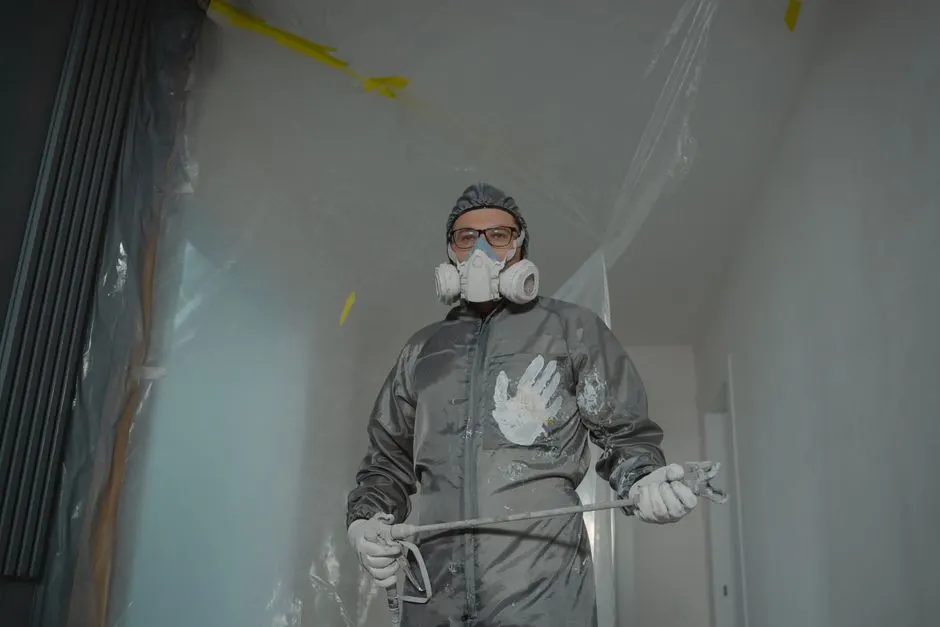
Dry Ice Blasting Mold in SYLMAR, California is a media blasting mold removal method that fires soft dry ice pellets at roughly -109 degrees Fahrenheit through a pressurized nozzle. The pellets hit mold growth on wood, block, brick and concrete, freeze it, and lift it off the surface on impact. Because the ice sublimates into gas on contact, there is no water, no sand, no soda and no chemical slurry left behind. That means no secondary moisture problem and no media cleanup after the crew packs up.
Most SYLMAR calls we run come from three places: attic mold after a roof leak, crawl space mold from high indoor humidity, and drywall mold contamination around bathroom and kitchen plumbing. In homes built along the San Fernando Road Corridor and Glenoaks Boulevard, we regularly find mold on original framing that has been wet and dried more than once. If you have been searching for dry ice mold remediation SYLMAR homeowners can trust, we start with a moisture meter and thermal imaging camera so we blast the right areas, not the whole house.
Every job is scoped to the actual contamination, but here is what a standard Dry Ice Blasting Mold in SYLMAR, California project covers. Add-ons like full-home air quality testing or duct cleaning are quoted separately if you want them.
Moisture meter, thermal imaging camera and boroscope inspection camera readings across the affected area. You get a written scope with photos showing exactly what we plan to blast and why.
6-mil containment plastic sheeting with zipper doors, sealed to the structure, plus an Abatement Technologies air scrubber running HEPA filters. This keeps spores from spreading into living space during blasting.
Framing, sheathing, joists, block and concrete get blasted with the dry ice machine. Pellets hit at roughly -109 degrees Fahrenheit and lift mold off on contact with no water and no abrasive media left behind.
Full HEPA vacuum of every surface inside containment, followed by an antimicrobial solution applied with a fogging machine. We use 3M, Fiberlock, Concrobium, RMR Solutions or Benefect depending on the surface.
Framing that stays exposed after blasting gets an encapsulant coating to seal the wood and prevent regrowth. This is standard on attic and crawl space jobs where the structure stays open.
Spore trap sampler testing after the work is done, compared against the baseline. You get the lab report, before-and-after photos and a written summary you can hand to an insurer, buyer or tenant.
We start with a moisture meter, thermal imaging camera and boroscope inspection camera to map where the mold is and where the water came from. Air samples go to a lab through a spore trap sampler when you need documentation. This visit usually runs 60 to 90 minutes and you get a written scope before any blasting starts.
We build a containment barrier with 6-mil plastic sheeting and negative air pressure using an air scrubber with HEPA filters. This keeps spores from drifting into the rest of the house. On a 1,200-square-foot attic, containment takes about two hours and stays up until the final clearance test.
Our technicians suit up in personal protective equipment and respirators, then run the dry ice blasting machine across the affected framing, sheathing and block. Pellets hit at roughly -109 degrees Fahrenheit and lift the mold off on contact. A typical attic takes four to six hours; a crawl space runs three to five.
Once blasting is done, we HEPA vacuum every surface and apply an antimicrobial solution with a fogging machine. Encapsulant coatings go on framing that will stay exposed. We use products from 3M, Fiberlock, Concrobium, RMR Solutions and Benefect depending on the surface and the level of contamination.
We run a post remediation mold testing pass with a spore trap sampler and compare it to the baseline. If levels are not back to normal, we re-clean at no extra charge. You get the lab report, photos and a written summary you can hand to an insurer or a buyer.
Purpose-built equipment, used by trained technicians — so the job is done accurately the first time.
Fires dry ice pellets at roughly -109 degrees Fahrenheit to lift mold off framing, sheathing and block without water or abrasive media. This is the core tool on every job.
Lets us see inside wall cavities, joist bays and ductwork before we blast. It is how we confirm where mold actually is instead of guessing from surface staining.
Reveals temperature differences that point to hidden moisture, which is usually where mold is growing. We use it on every initial inspection.
Reads moisture content in wood, drywall and concrete. It tells us whether the source is still active and whether the structure is dry enough for clearance testing.
Runs inside containment to create negative air pressure and trap airborne spores. Prevents cross-contamination into the rest of the home during blasting.
Applies antimicrobial solution and Benefect or Concrobium across the contained area after blasting, reaching surfaces the nozzle cannot.
Collects air samples before and after the job so we can document the actual reduction in indoor spore counts with a lab report.
A roof leak on a Sylmar Terrace home soaked the north-facing sheathing for weeks. Black mold growth covered roughly 320 square feet of sheathing and rafters, and the musty odor was drifting into two bedrooms.
We contained the attic, blasted the sheathing and rafters with dry ice, HEPA vacuumed, and treated with antimicrobial solution. Clearance testing came back at normal spore levels, and the odor was gone the same day.
A duplex on Maclay Avenue had crawl space mold across 180 square feet of joists and subfloor. Two other contractors quoted pulling up flooring to access the growth, which would have displaced the tenants for a week.
We blasted the joists and subfloor from the crawl space access, HEPA vacuumed inside containment, and treated with antimicrobial solution. Tenants stayed in place, and clearance testing passed on the first sample.
A supply line failure on Foothill Boulevard left a tenant space with mold on 240 square feet of wall framing. The landlord needed the space back to rentable condition and documentation for the insurer.
We ran boroscope inspection, blasted the affected framing, treated with antimicrobial solution, and delivered post remediation mold testing with a lab report. The tenant moved back in on day six with a clean clearance report.
These are the calls we get most often from SYLMAR homeowners and property managers. Each one has a dry ice blasting answer that avoids unnecessary demolition.
Ask a pro →We contain the attic, blast the sheathing and rafters with dry ice, HEPA vacuum, and treat with antimicrobial solution. Most SYLMAR attics are cleared in a single day with a lab report to prove it.
We blast the joists, subfloor and piers, then recommend a vapor barrier and dehumidifier setup. That combination stops the moisture cycle that caused the growth in the first place.
We cut a small access port, blast the framing behind the wall, treat with antimicrobial solution, and patch. That avoids the full tear-out most contractors quote for the same problem.
We inspect the plenum and duct runs with a boroscope, blast accessible metal surfaces, and HEPA vacuum the system. Duct cleaning and air quality testing are added when the contamination is widespread.
Most residential jobs run $1,800 to $6,500 in 2026, with crawl spaces on the lower end and full attics with containment on the higher end. Commercial buildings and jobs that need post-remediation testing add cost. The biggest variables are square footage, access, and how much containment is required. We quote in writing before we start, so the number you approve is the number you pay.
Yes. Dry ice is non-abrasive, so it does not pit, gouge or splinter wood the way sand or soda blasting can. It also does not add moisture, which is the main reason mold returns after wet cleaning. We blast structural framing, roof sheathing, joists and subfloor edges regularly. On older SYLMAR homes with original lumber, it is the method we reach for first.
The main benefits are speed, no secondary moisture, and no media cleanup. A typical attic takes four to six hours instead of two or three days of sanding and drying. There is no sand or soda to sweep out of wall cavities, and we can blast around wiring and plumbing without masking everything off. That combination usually cuts total project cost by 20 to 30 percent.
Yes, within limits. We use a boroscope inspection camera to confirm growth inside wall cavities and joist bays before we blast. The dry ice stream reaches roughly 12 to 18 inches into open cavities. If mold is sealed behind finished drywall with no access, we open a small inspection port, blast, then patch. We tell you upfront which areas need that step.
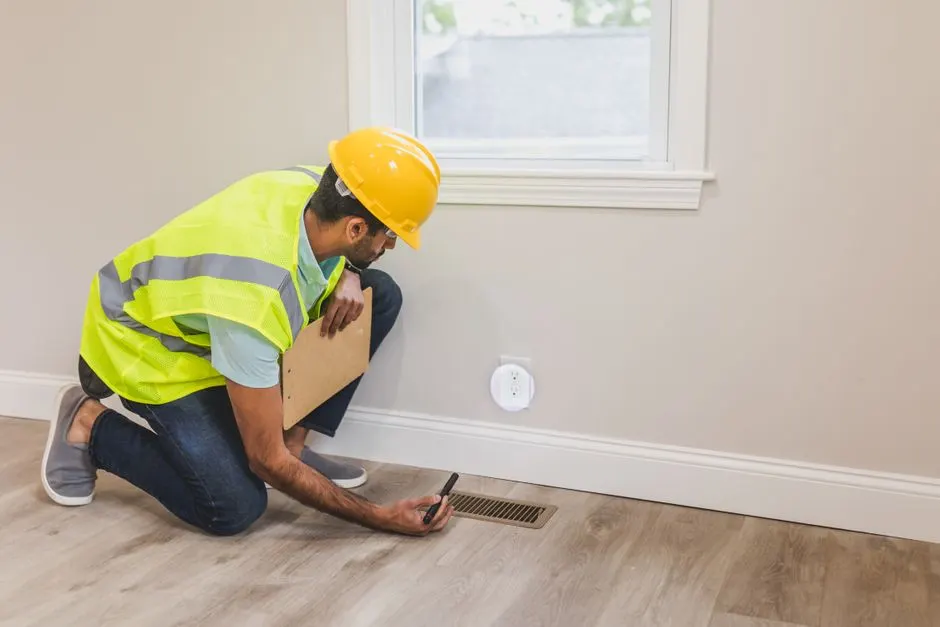 Mold Inspection Near MeBefore any blasting, we inspect the space with a moisture meter and thermal imaging camera. For SYLMAR customers, this is the step that tells us whether dry ice blasting is the right method or whether the area needs containment and removal first.Explore →
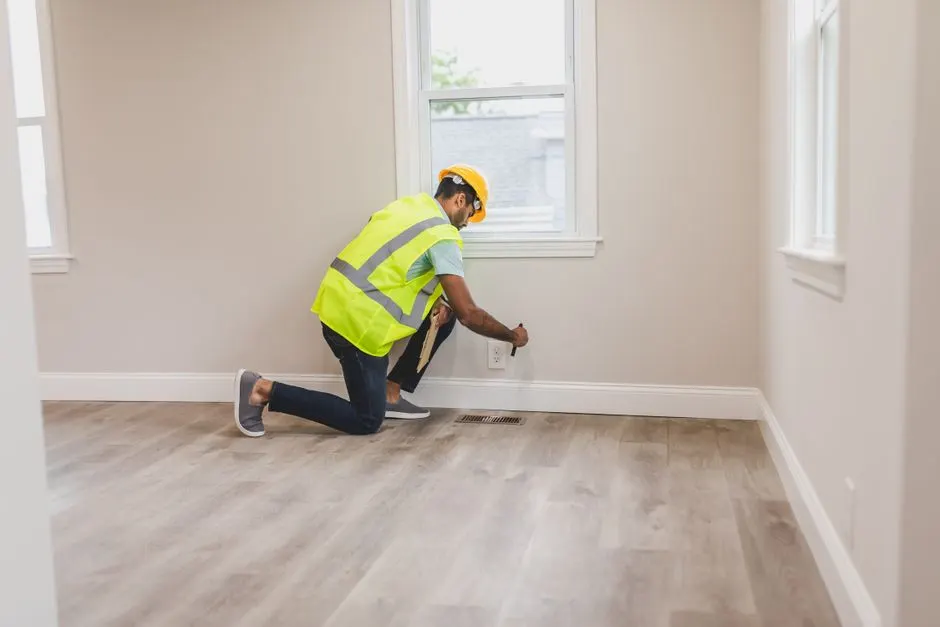 Mold InspectionA full inspection maps where mold is growing and where the water came from. We use it on every Dry Ice Blasting Mold job in SYLMAR so the blasting targets the actual source, not just the visible staining on the surface.Explore →
 Mold TestingLab testing confirms what species is present and how far spores have spread. SYLMAR homeowners often need this for insurance claims or before a sale, and we pair it with dry ice blasting so you get before-and-after numbers.Explore →
 Mold Testing Near MeSame-day air and surface sampling across SYLMAR. We use a spore trap sampler and send results to an accredited lab, usually back within 24 to 48 hours. It is the fastest way to know whether blasting is needed.Explore →
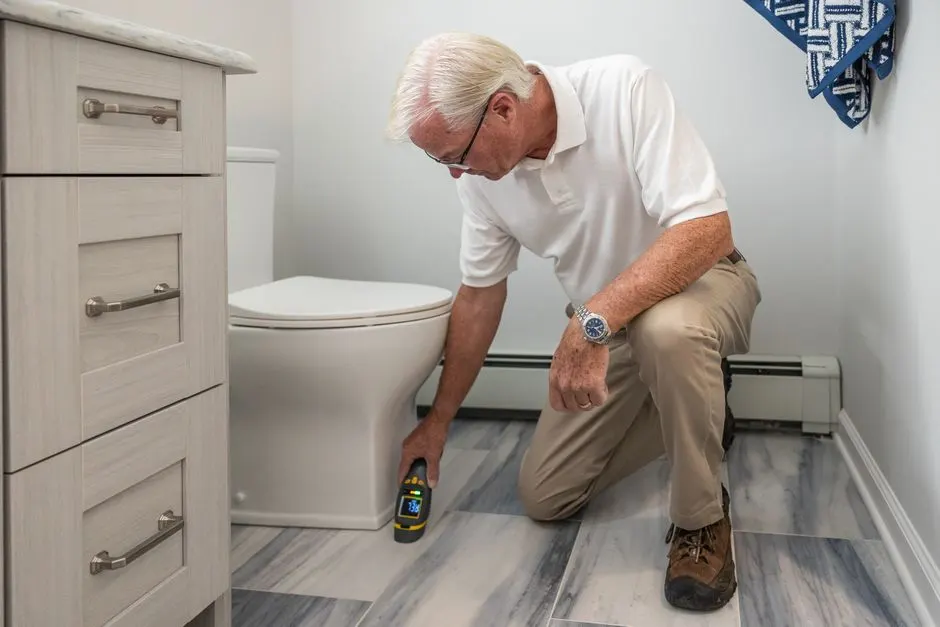 Certified Mold InspectorOur inspectors hold IICRC and ACAC certification. On a Dry Ice Blasting Mold project in SYLMAR, that means the scope is written to California Department of Public Health mold guidelines and holds up to third-party review.Explore →
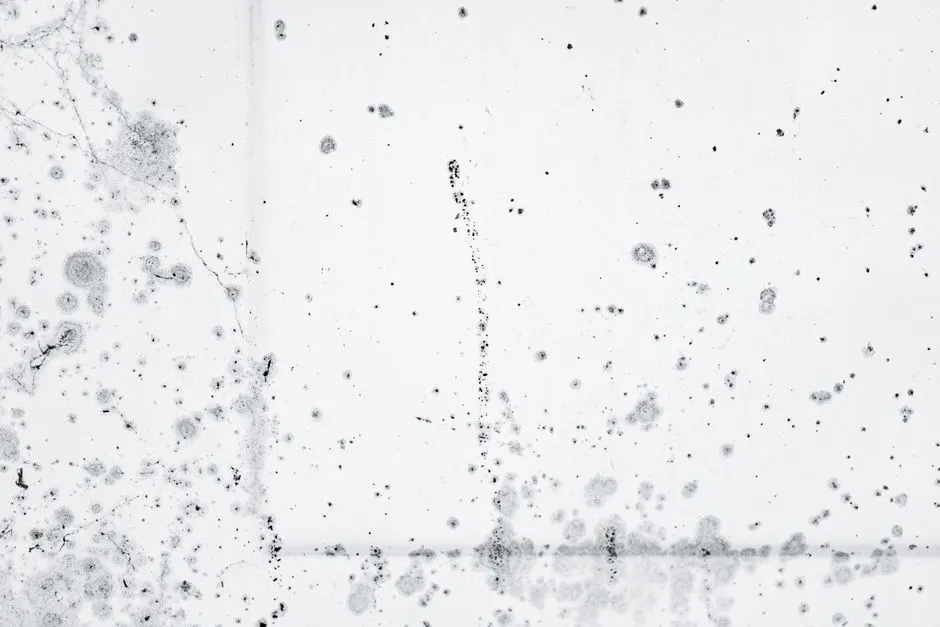 Black Mold InspectionBlack mold growth needs a different containment plan than surface mildew. We inspect SYLMAR attics, crawl spaces and bathroom framing, confirm the species through lab testing, then blast with the right PPE and scrubber setup.Explore →
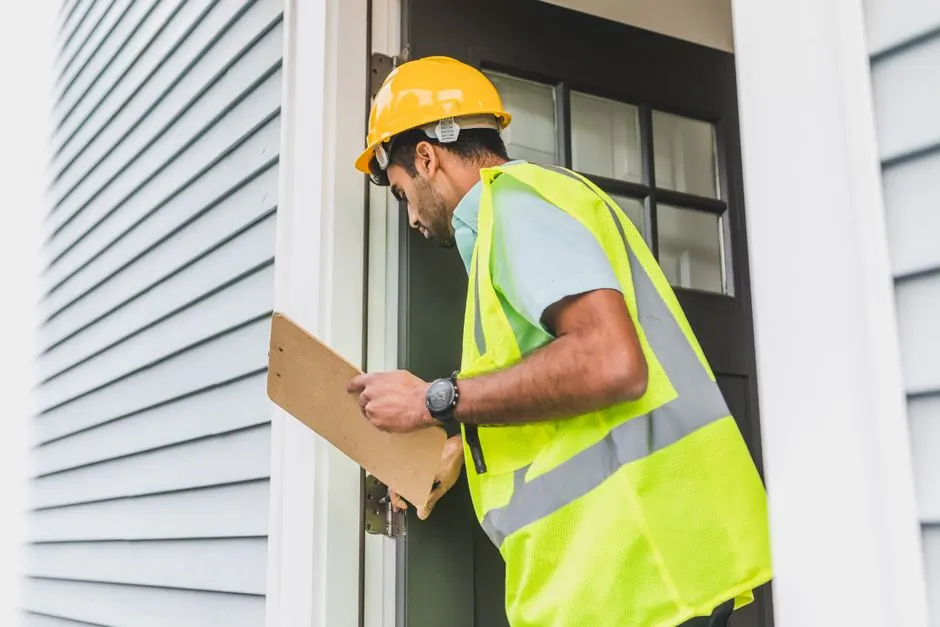 Home Mold InspectionWhole-home inspection for SYLMAR properties, covering attic, crawl space, bathrooms, kitchen and HVAC. We flag the areas that need dry ice blasting and the areas that just need cleaning, so you are not paying for work you do not need.Explore →
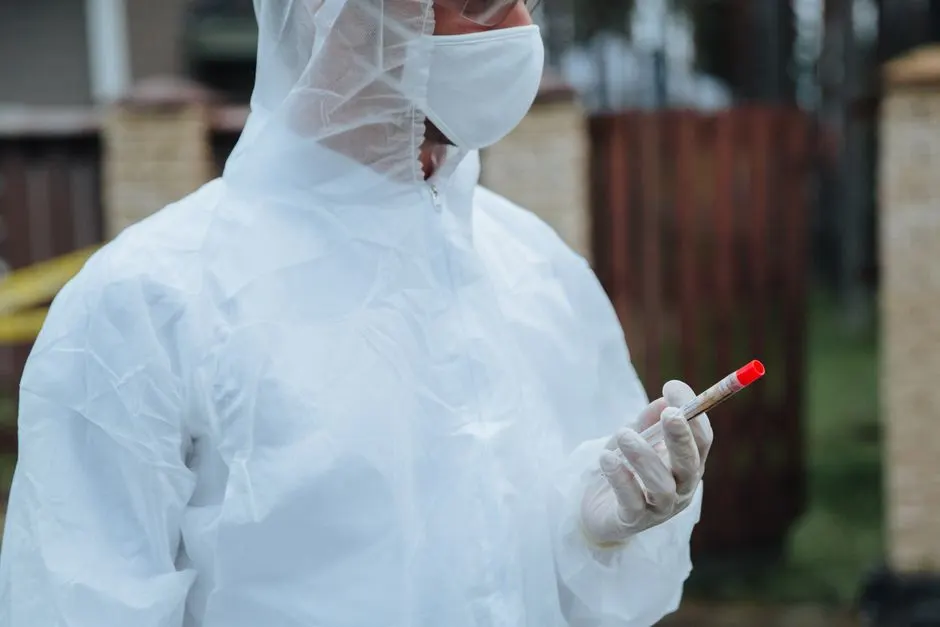 Residential Mold TestingAir and surface samples for single-family homes and duplexes across SYLMAR. Results guide the blasting scope and give you a baseline to compare against after we finish and run clearance testing.Explore →
We are licensed, insured and have been working SYLMAR since 2021. Call (833) 929-5837 and we will inspect, test and quote your dry ice blasting mold job, usually the same day. No demolition unless the structure actually needs it.
Get a Free Quote (833) 929-5837 →Call (833) 929-5837 or send us a message and we will get back to you the same day. Our phones are answered 24 hours for emergencies, and regular inspections are scheduled Monday through Friday. Tell us what you are seeing or smelling, and we will tell you what the next step is.